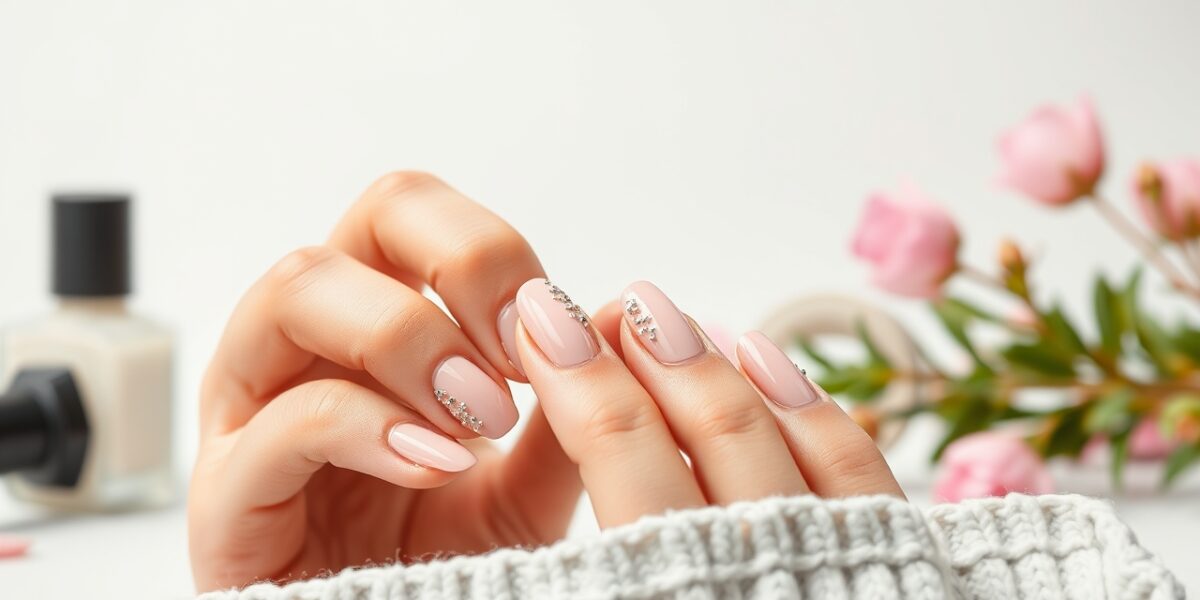
How to strengthen weak nails can be achieved with simple, natural steps that nourish and protect the nail bed.
How to Strengthen Weak Nails Naturally
When your nails feel thin, split, or break easily, you’re not alone. Many people struggle with weak, brittle nails that seem to resist every polish or treatment. The good news is that you can rebuild strength from the inside out and with everyday items already in your kitchen.
Understanding the Root Causes
- Nutrition gaps: Low protein, iron, calcium, or vitamin D can weaken the keratin matrix.
- Environmental stress: Frequent exposure to water, detergents, and harsh chemicals erodes the cuticle and nail surface.
- Over‑manipulation: Constant filing, buffing, or using harsh nail polish removers removes natural oils.
- Underlying health conditions: Thyroid issues, hormonal changes, or autoimmune disorders sometimes manifest as nail fragility.
For a deeper look at nail biology, you can consult the Nail (Wikipedia) page, which explains how the nail plate and matrix work together.


Weak Brittle Nails Fix: Simple Home Remedies
If you’re wondering how to strengthen weak nails, the first step is to adopt a gentle routine that respects the natural growth cycle.
1. Moisturize the Cuticles and Nail Bed
Dryness is a major culprit. Apply a few drops of pure almond oil, coconut oil, or a simple shea butter hello each night. Massage around the cuticle line and let it absorb for 10 minutes before washing your hands.
2. Eat a Protein‑Rich, Calcium‑Loaded Diet
Protein provides the amino acids that build keratin. Include eggs, lean meats, beans, and nuts. Calcium and vitamin D support bone health and, indirectly, nail resilience. A balanced meal of salmon, quinoa, and leafy greens is a tasty way to hit both targets.
3. Stay Hydrated, Inside and Out
Water is the foundation of all cellular processes. Aim for at least eight glasses a day, and consider adding electrolytes if you sweat heavily. Drinking tea or sparkling water can also keep your nails hydrated from the inside.
4. Protect Your Nails from Harsh Chemicals
When washing dishes or cleaning, wear cotton gloves. Avoid using nail polish removers with acetone; instead, opt for a non‑acetone formula or a homemade mixture of lemon juice and olive oil.
5. Use a Gentle Polish or Sealant Only When Needed
Frequent polish application can create a dry barrier. If you love color, choose a light, non‑acrylic polish and apply a thin coat of clear topcoat only once a week. Let the nails breathe between applications.
Strengthen Nails Naturally with DIY Treatments
Below are a few recipes that harness the power of nature. They’re easy to whip up and can be incorporated into your weekly routine.
- Honey & Olive Oil Mask: Mix 1 tablespoon honey with 1 teaspoon olive oil. Apply to nails and cuticles, leave for 15 minutes, rinse. Honey’s natural sugars help soften, while olive oil locks in moisture.
- Egg White Polish: Beat one egg white until frothy. Brush onto nails, let dry, and wipe with a dry cloth. Egg whites are rich in protein and can add a subtle sheen.
- Tea Tree Oil Antiseptic Wash: Add a drop of tea tree oil to your regular hand wash. It helps reduce fungal risks without harsh chemicals.
Daily Nail Strengthening Tips
- Never cut your nails straight across; a slight curve reduces breakage.
- File in one direction, not back and forth, to avoid splitting.
- Keep nails trimmed to 2–3 mm—longer nails are more prone to break.
- Use a soft nail brush to clean debris between the nail and skin.
- Apply a small amount of vitamin E oil around the cuticle for added nourishment.
When to Seek Professional Advice
If your nails remain stubbornly weak despite consistent care, it may be worth checking for hidden deficiencies. A simple blood panel can reveal iron or vitamin D levels. In some cases, a dermatologist can rule out fungal infections or nail psoriasis that may require targeted treatment.
Building a Routine That Works
Consistency is key to understanding how to strengthen weak nails. Create a simple calendar: hydrate nightly, apply oil twice a week, and do a DIY mask once a month. Over time, you’ll notice a gradual increase in thickness and resilience.
FAQs
- How to strengthen weak nails? Start with a balanced diet, stay hydrated, moisturize cuticles, protect from chemicals, and use gentle, natural treatments.
- What are the best foods for healthy nails? Protein‑rich foods such as eggs, lean meats, beans, and nuts, along with calcium‑dense options like dairy or fortified plant milks, support nail health.
- Can I use nail polish on weak nails? Yes, but limit frequency. Use a non‑acetone remover and give nails a break each week.
- How long does it take to see results? Most people notice improvements within 6–8 weeks, as nails grow out and new growth incorporates the nutrients.
- Do I need supplements? Only if you’re deficient. A healthcare professional can guide you on safe supplementation.
Remember, the journey to stronger nails is a gentle one. By embracing these natural habits, you’ll give your nails the care they deserve and enjoy a healthier, more resilient manicure every day. For more inspiration, explore the Nail Made Simple community and share your progress. Happy nail care!
Understanding Nail Anatomy and Growth Cycles
To truly strengthen weak nails, you need to know what’s happening beneath the surface. A nail is made of three layers: the nail plate (the visible part), the nail bed (the skin underneath), and the nail matrix (the growth zone). The matrix produces keratin, a tough protein that forms the nail plate. Because the matrix is the only living part, it’s also the most vulnerable to nutritional and environmental stressors.
On average, fingernails grow about 3 mm per month, while toenails grow at roughly 1.5 mm. This slow growth means that changes in diet or care take time to manifest. Patience is therefore a critical component of any strengthening plan.
Common Misconceptions About Weak Nails
Many people believe that simply buying a “strengthening” nail polish will solve the problem. In reality, most nail polishes are thin, volatile, and can actually strip natural oils. Likewise, the myth that “baking soda” or “vinegar” will cure brittle nails has no scientific basis. The truth is that real improvement comes from addressing the root causes—nutrition, hydration, and gentle care.
Nutrition: A Deeper Dive
Protein and Keratin Production
Keratin is a fibrous protein composed of amino acids such as cysteine, methionine, and lysine. These amino acids are abundant in foods like eggs, Greek yogurt, lentils, and almonds. A 30‑gram protein intake per meal can supply the body with enough building blocks for healthy nail growth.
Iron and Nail Health
Iron deficiency anemia is a common culprit behind pale, brittle nails. Iron-rich foods include lean beef, spinach, pumpkin seeds, and fortified cereals. Pairing iron with vitamin C (e.g., citrus fruits) enhances absorption.
Biotin: The “Nail Vitamin”
Biotin, a B‑vitamin, has been linked to stronger nails. Sources include eggs, avocado, sweet potatoes, and whole‑grain breads. While supplements can help, most people obtain adequate biotin through a balanced diet.
Omega‑3 Fatty Acids
Omega‑3s improve blood flow to the nails, delivering essential nutrients. Include fatty fish, chia seeds, and walnuts in your diet.
Hydration: Beyond Water
While drinking water is essential, external hydration also matters. Use a mild, fragrance‑free hand cream that contains glycerin or hyaluronic acid to lock moisture. Avoid heavy, oil‑based creams that can suffocate the nail bed and promote fungal growth.
Protective Measures: Everyday Habits
Glove Use
When using cleaning products or washing dishes, wear cotton gloves. This simple step can reduce exposure to irritants that strip natural oils.
Gentle Detergents
Choose a mild, sulfate‑free hand soap. Harsh detergents can dry out the cuticle and nail plate.
Limit Nail Polish Exposure
Give your nails a break every 2–3 weeks. During this time, let them breathe and absorb nutrients from your diet.
DIY Treatments: Step‑by‑Step Recipes
Avocado & Olive Oil Cuticle Cream
- Mash half an avocado until smooth.
- Add 1 tablespoon of olive oil and 5 drops of vitamin E oil.
- Apply to nails and cuticles, massage for 2 minutes.
- Leave on for 15 minutes, then rinse with warm water.
Avocado is rich in vitamins A, D, and E, which nourish the nail bed, while olive oil provides essential fatty acids.
Beetroot & Honey Nail Strengthener
- Blend 1 small beetroot with 1 tablespoon honey.
- Apply the paste to nails and cuticles.
- Cover with a Sticker Bandage for 30 minutes.
- Rinse and pat dry.
Beetroot delivers iron and antioxidants, while honey’s humectant properties keep nails supple.
Rosemary & Tea Tree Oil Antifungal Wash
- Boil 1 cup water with 2 rosemary sprigs.
- Let steep for 10 minutes, then cool.
- Add 5 drops tea tree oil.
- Use as a final rinse after hand washing.
Rosemary is anti‑inflammatory, and tea tree oil has proven antifungal activity.
Professional Options When Home Remedies Aren’t Enough
Persistent weakness may signal a medical issue. A dermatologist can perform a nail microscopy test to detect fungal infection or psoriasis. If a deficiency is suspected, a lab panel for iron, vitamin D, and B‑complex levels is recommended. In rare cases, systemic conditions such as thyroid disease or anemia may require medication or hormone therapy.
Long‑Term Lifestyle Adjustments
Strengthening nails is not a one‑time fix; it’s a lifelong commitment. Consider the following:
- Exercise: Regular movement improves circulation, delivering nutrients to the nail matrix.
- Stress Management: Chronic stress can disrupt hormonal balance, affecting nail growth. Mindfulness, yoga, or meditation can help.
- Sleep: Aim for 7–9 hours per night. Growth hormones peak during deep sleep.
- Avoid Nail Biting: This habit can introduce bacteria and physically damage the nail plate.
- Regular Check‑Ins: Track your progress with weekly photos. Adjust your routine based on what works.
FAQs (Expanded)
- How do I know if my nails are truly weak or just naturally thin? If nails split, crack, or break easily—especially after minor pressure—they’re likely weak. Thin nails can be normal for some people, but persistent brittleness usually signals a problem.
- Can I use natural oils as a base for nail polish? Yes. A thin layer of almond or jojoba oil before applying polish can reduce drying. However, avoid layering too many products, which can trap moisture and promote fungal growth.
- What if I have a fungal infection? Over‑the‑counter antifungal creams can help, but if symptoms persist, see a dermatologist. Untreated fungal infections can worsen brittleness.
- Do I need to cut my nails shorter if they’re weak? Shorter nails reduce mechanical stress. Aim for 2–3 mm and keep them slightly rounded at the tip.
- Is it safe to use a nail buffer? Buffers can thin the nail plate if overused. Use a light touch and buffer only once a week.
By integrating these evidence‑based practices into your daily routine, you’ll notice a tangible improvement in nail strength and appearance over the coming months. Remember: consistency, nutrition, and gentle care are the pillars of lasting nail health. For deeper dives into nail science and more DIY inspiration, visit Nail Made Simple and join a community that celebrates healthy nails. Happy strengthening!
Leave a Reply