
Why Nutrition Matters for Nail Health
Nails are living tissue, just like skin and hair. They grow from the nail matrix beneath the cuticle, and their appearance is a direct reflection of your overall health and diet. While topical treatments and nail polish can mask imperfections, they cannot fix a fundamental deficiency. The best foods for healthy nails provide the building blocks—vitamins, minerals, proteins, and healthy fats—that keep your nails strong, flexible, and radiant.
Key Nutrients That Build Strong Nails
Biotin (Vitamin B7)
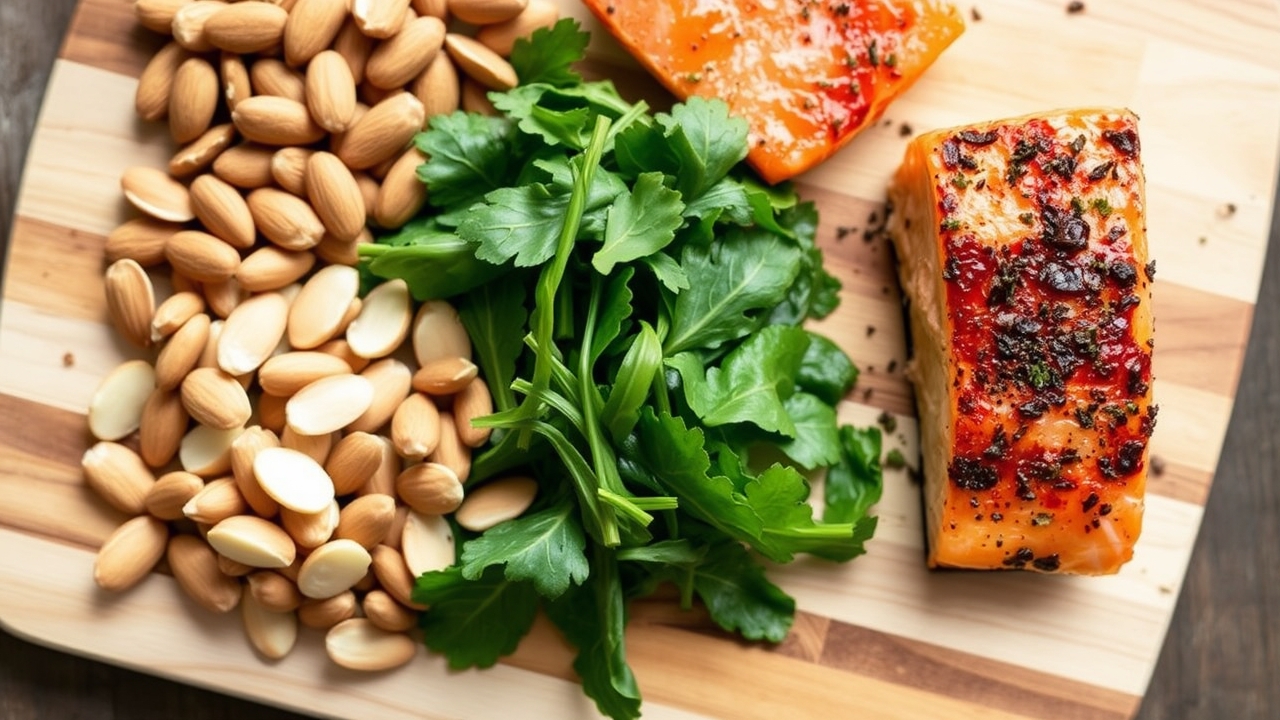
Biotin is often touted as the “nail vitamin.” It helps convert food into energy and strengthens keratin, the protein that makes up nails. A daily intake of 30–100 µg is recommended, which can be easily achieved with biotin‑rich foods such as eggs, almonds, sweet potatoes, and spinach.
Protein & Keratin
Nails are composed of keratin, a fibrous protein. Adequate protein intake—about 0.8 g per kilogram of body weight—ensures that your body has enough raw material to produce new nail cells. Lean meats, fish, dairy, legumes, and tofu are excellent sources.


Iron & Zinc
Iron deficiency can lead to spoon-shaped nails and brittle growth, while zinc is essential for cell division and repair. Foods like lean red meat, lentils, pumpkin seeds, and pumpkin seeds provide these minerals.
Omega‑3 Fatty Acids
Omega‑3s improve circulation and keep the nail bed hydrated. Salmon, sardines, chia seeds, and walnuts are rich in EPA and DHA, which help reduce inflammation and support nail resilience.
Vitamin C & E
Vitamin C is crucial for collagen synthesis, which supports the nail bed, whereas vitamin E is an antioxidant that protects against oxidative damage. Citrus fruits, berries, bell peppers, nuts, and seeds are packed with these vitamins.
Calcium & Magnesium
These minerals maintain bone health and support the structural integrity of nails. Dairy, leafy greens, almonds, and dark chocolate are great sources.
Meal Planning: A Day of Nail‑Boosting Nutrition
Below is a sample day that incorporates the best foods for healthy nails. Feel free to swap ingredients based on taste or dietary restrictions.
- Breakfast: Greek yogurt parfait with sliced almonds, chia seeds, fresh blueberries, and a drizzle of honey. Add a handful of spinach to a smoothie for extra biotin and iron.
- Mid‑morning Snack: A boiled egg and a small handful of pumpkin seeds.
- Lunch: Grilled salmon salad with mixed greens, sliced avocado, cherry tomatoes, and a lemon‑olive‑oil dressing. Sprinkle with hemp seeds for omega‑3s.
- Afternoon Snack: Carrot sticks with hummus.
- Dinner: Stir‑fried tofu with broccoli, bell peppers, and a soy‑ginger sauce. Serve over quinoa for a complete protein.
- Evening Treat: Dark chocolate (70% cacao) with a glass of fortified almond milk.
Step‑by‑Step Guide: Turning Your Diet Into Nail Power
- Audit Your Current Diet: Identify gaps—are you getting enough protein or iron? Use a food diary for a week.
- Set Realistic Goals: Aim to add at least one biotin‑rich food per day.
- Plan Weekly Menus: Use meal‑prep to ensure you always have nail‑friendly options on hand.
- Track Nail Growth: Measure the length of a nail every two weeks to see progress.
- Adjust as Needed: If nails remain brittle, consider a supplement after consulting a healthcare professional.
Common Myths About Nail Nutrition Debunked
- Myth: elixir of biotin alone will fix nails. Reality: Biotin is essential, but without protein, iron, and healthy fats, it won’t be effective.
- Myth: Nail polish removes nutrients. Reality: The polish acts as a barrier; the nutrients still reach the nail bed through the cuticle.
- Myth: Supplements are always better than food. Reality: Whole foods provide a synergistic mix of nutrients and fiber that supplements can’t replicate.
Practical Tips for Everyday Nail Care
- Keep nails trimmed and file them in one direction to prevent split ends.
- Use a base coat to protect the nail bed from staining.
- Moisturize cuticles with almond oil or vitamin E oil daily.
- Avoid harsh detergents—wear gloves when washing dishes.
- Limit exposure to hot water; lukewarm is gentler on nails.
Frequently Asked Questions (FAQ)
1. How long does it take to see visible improvements in nail health after changing my diet?
Because nails grow about 3 mm per month, noticeable changes typically appear within 6–8 weeks. Consistency is key—daily intake of nail‑friendly nutrients yields the best results.
2. Can I get enough biotin from food alone, or do I need a supplement?
Most people can meet their biotin needs through a balanced diet. Foods like eggs, nuts, and leafy greens provide 30–100 µg per day, which is adequate for most adults. Supplements are only recommended if a deficiency is confirmed by a healthcare provider.
3. Are there any foods that harm nail health?
Highly processed foods, excessive sugary snacks, and foods high in sodium can weaken nails by causing dehydration and inflammation. Focus on whole, unprocessed foods for optimal results.
4. How does iron deficiency affect nails, and what can I do if I suspect a deficiency?
Iron deficiency can cause nails to become spoon‑shaped, thin, or brittle. If you notice these symptoms, get a blood test and work with a healthcare provider to address the deficiency—often through iron‑rich foods or supplements.
5. Is it safe to use nail polish while following a nail‑strengthening diet?
Yes. In fact, a healthy diet can enhance the effectiveness of nail polish by providing a stronger base for the product. Just remember to give your nails a break from polish every 3–4 weeks to allow them to breathe.
Conclusion: Your Hands Deserve the Best
Investing in a nutrient‑rich diet is one of the most sustainable ways to maintain strong, shiny nails. By focusing on biotin, protein, iron, zinc, omega‑3s, and a spectrum of vitamins and minerals, you’re not only improving nail health but also supporting overall wellness. Pair this dietary foundation with consistent nail care practices, and you’ll enjoy nails that look as healthy as they feel.
For further reading, see related references on Wikipedia.
Leave a Reply