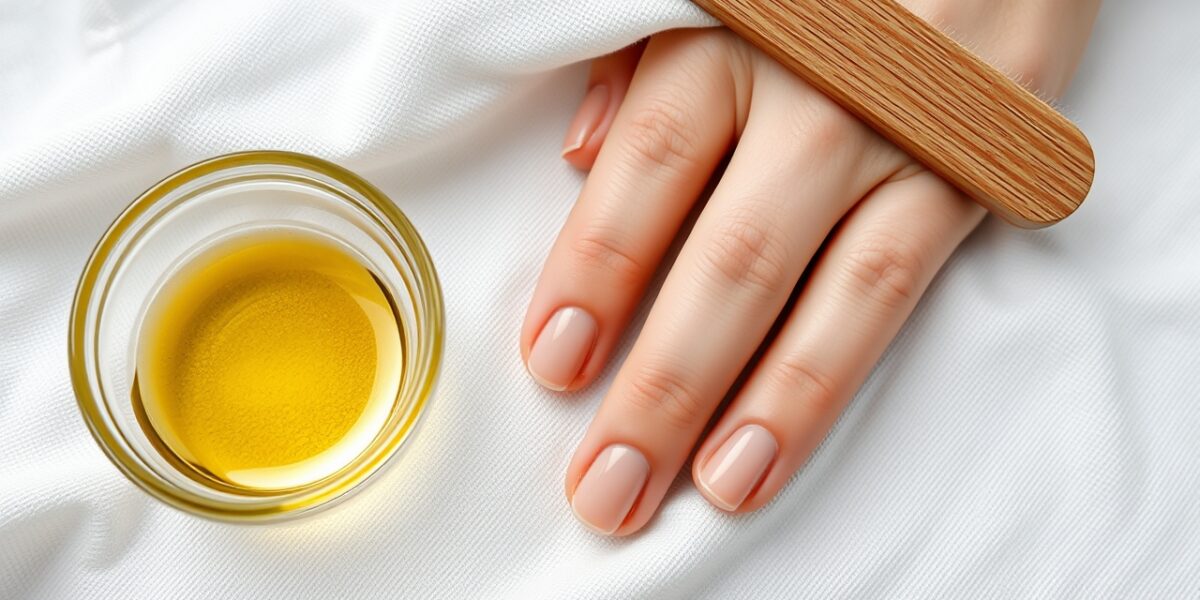
When you look at a fingertip, the first thing you notice is the thick, glossy plate that rises from the skin. That plate is a living, breathing structure that grows at a predictable pace—about 3.5 mm per month for most people. Yet many of us see little change, or worse, a constant battle with splits and breakage. The secret isn’t a miracle serum; it’s a simple, science‑based routine that supports the nail’s natural biology.
The Science of Nail Growth: What’s Really Happening?
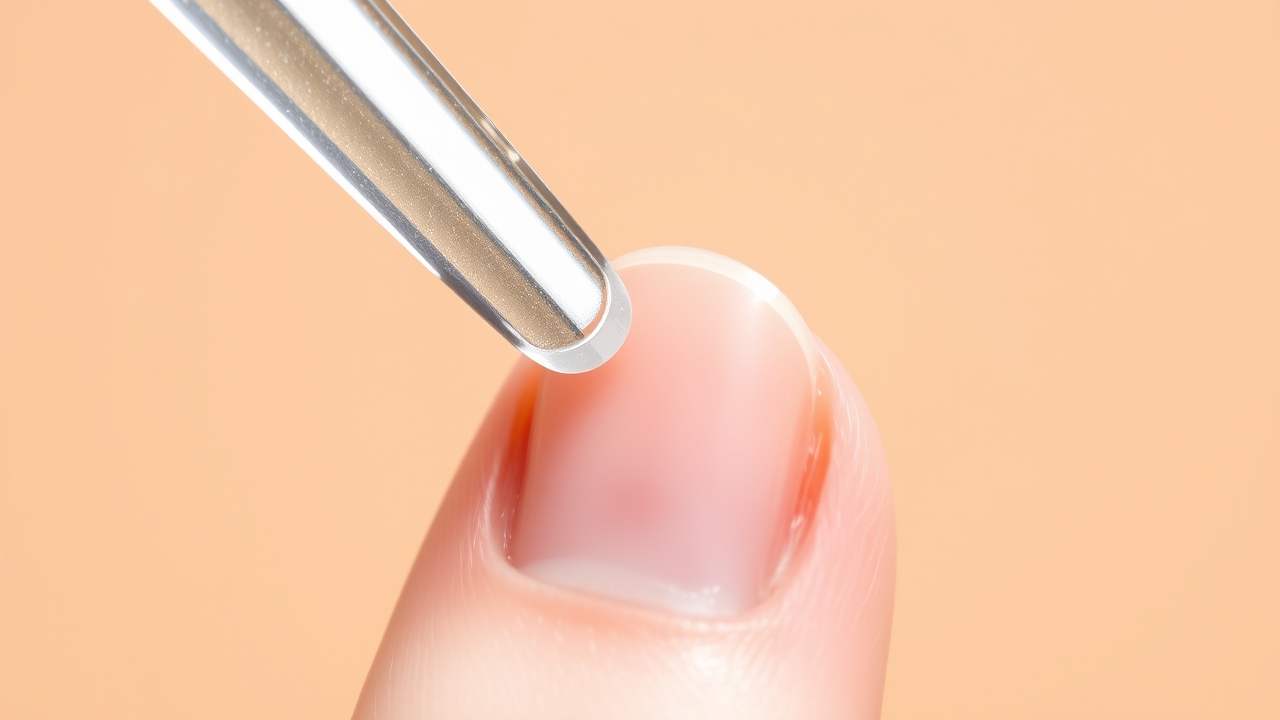
Every nail starts in the matrix, a hidden pocket of living cells beneath the cuticle. As new keratinocytes form, they push older cells outward, creating the hard plate we see. The rate of cell production is largely genetic, but the environment around the matrix can make a noticeable difference.
Three common culprits stall visible growth: nutritional gaps, dehydration, and mechanical trauma. Addressing each pillar with targeted actions turns the nail from a fragile asset into a resilient asset.


Nutrition for Speeding Up Nail Growth
Think of your nails as a protein‑rich sculpture. Without the right building blocks, the sculpture will crumble. Below are the key nutrients that keep the keratin framework strong.
Biotin (Vitamin B7) and the B‑Vitamin Family
Biotin is the most frequently cited vitamin for nail health. It helps the keratin fibers align properly, reducing brittleness. Good dietary sources include:
- Egg yolks – one large egg delivers 10 µg of biotin.
- Almonds – a 30‑gram handful gives 3 µg.
- Whole‑grain breads – a slice offers 1–2 µg.
While a 2,500‑mg daily supplement can be useful, start with food first and consult a healthcare provider before adding high doses.
Protein: The Core Ingredient
Nails are almost entirely protein. A diet that falls short of 0.8 g of protein per kilogram of body weight can leave your nails thin and prone to peeling. Aim for lean sources such as:
- Grilled salmon – 22 g per 100 g.
- Chickpeas in a lentil soup – 9 g per cup.
- Turkey breast – 29 g per 100 g.
Notice the difference when you add a protein‑rich snack after a workout or a midday meal.
Iron and Zinc: The Cell‑Division Duo
Iron deficiency can leave nails concave and weak, while zinc is essential for keratin synthesis. Sprinkle these foods into your meals:
- Spinach sautéed with garlic – 2 mg iron per cup.
- Pumpkin seeds – 5 mg zinc per ounce.
- Red lentils – 1.5 mg iron per half cup.
Even a small daily smoothie with a handful of pumpkin seeds can boost your mineral intake.
Daily Habits to Grow Nails Fast
Your everyday actions can either aid or sabotage growth. Treat your nails like delicate jewelry, not tools.
Stop Using Your Nails as Tools
Scraping stickers or opening cans with your nails creates micro‑fractures that travel up the plate. Replace that habit with:
- Letter openers for opening envelopes.
- Sporks for stirring cereal.
- A gentle knuckle tap for loosening a jar lid.
Every time you “click” your nail against a hard surface, you risk a structural failure that can set back your progress by weeks.
The Hydration Equation
Dryness turns a flexible nail into a brittle one that snaps under pressure. Double‑dose your care with these steps:
- Morning: Lightly massage 1 ml of jojoba or almond oil into the cuticle and nail bed.
- Evening: Apply a thicker layer of cuticle oil or a small amount of petroleum jelly, then wrap with cotton gloves for an overnight boost.
- After washing: Pat dry and immediately apply a lightweight hand cream to lock in moisture.
Choosing oils with a low molecular weight, like jojoba, allows deeper penetration into the nail plate, restoring elasticity.
Advanced Nail Growth Tips for Maximum Length
Once you’ve mastered the basics, you can refine your routine with more precise techniques.
The Proper Way to File
A coarse emery board can generate heat and tear keratin. Switch to a glass or crystal file with a fine grit. File in a single direction—from the tip toward the cuticle—to preserve a smooth edge. Avoid back‑and‑forth sawing, which can create a “saw‑tooth” effect that invites splits.
Cuticle Care Without the Cutting
Cuticles are a natural seal that protects the matrix. Removing them opens a gateway for bacteria. Instead, gently push them back with a soft towel or an orange‑wood stick after a warm shower when the skin is soft. Keep them moisturized with a small dab of cuticle oil to maintain a healthy barrier.
Protective Coating
Water and detergents expand and contract the nail plate, weakening its bonds. A clear, non‑hardened base coat creates a physical shield without adding stiffness. Avoid hardeners that contain formaldehyde or high levels of acrylic; they can make nails too rigid and prone to snapping.
Environmental Factors That Slow Down Growth
Your surroundings can either nurture or damage your nails. Recognize the triggers and shield your growth.
The Danger of Harsh Chemicals
Acetone is a powerful solvent that strips every ounce of moisture. If you use gel polish or acrylics, opt for a non‑acetone remover. Household cleaners—bleach, oven cleaner, and even some dish soaps—can be equally dehydrating. Always wear rubber gloves when cleaning to protect the nail beds.
Winter Weather and Dry Air
Cold, dry indoor heating can strip moisture from your hands. During winter, increase oil applications to twice daily and consider a paraffin wax treatment or a heavy overnight hand mask to lock in moisture. A simple DIY mask—mix 1 tbsp shea butter with 1 tbsp honey and apply under a plastic wrap—provides a nourishing barrier.
Common Myths About Nail Growth
Let’s debunk the most persistent rumors that can derail your progress.
Myth 1: Painting your nails suffocates them. Nails are dead keratin; they don’t breathe. The polish sits on top and does not interfere with the blood supply beneath. Low‑quality polishes may stain, but they don’t “suffocate” the nail.
Myth 2: Biting your nails makes them grow faster. While biting increases local blood flow, the physical trauma and jagged edges far outweigh any marginal benefit. Biting invites infection and permanently damages the matrix.
Myth 3: Garlic or lemon juice cures brittle nails. Rubbing these ingredients on the nail plate offers little benefit because the dense keratin doesn’t absorb them. Incorporate garlic and citrus into your diet instead for their systemic antioxidant support.
Step‑by‑Step Routine for Longer Nails Naturally
Consistency is key. Below is a practical schedule that blends daily habits with weekly rituals.
Daily Routine
- Hydrate: Apply jojoba‑based cuticle oil 2–3 times a day, focusing on the cuticle and nail bed.
- Protect: Wear gloves when washing dishes, cleaning, or handling chemicals.
- Nourish: Drink at least 2 liters of water and pair every meal with a protein source.
- Avoid: Refrain from using nails to pry open anything or picking at cuticles.
Weekly Routine
- Shape: Lightly file edges with a glass file, moving from tip to cuticle.
- Cleanse: After a warm shower, gently push back cuticles with a soft towel or orange‑wood stick.
- Treat: Apply a deep‑conditioning hand mask or a thick layer of petroleum jelly overnight.
- Assess: Inspect for splits or peeling; file them down immediately to prevent upward migration.
Monthly Check‑in
- Measure nail length from the cuticle to the tip; track growth over time.
- Review your diet for any gaps—add a new protein source or vitamin‑rich snack.
- Adjust your routine if you notice increased dryness or breakage.
When to See a Professional
While most issues resolve with better care, some changes can signal underlying health problems. According to the Wikipedia page on nail anatomy, nails often reflect systemic health.
Consult a doctor if you notice:
- Severe discoloration—yellow, blue, or dark streaks.
- Deep ridges or pitting that don’t improve with care.
- Onycholysis—complete separation of the nail from the bed.
- Chronic swelling or inflammation around the cuticle.
Final Thoughts on Nail Patience
Growth is a marathon, not a sprint. Most people see noticeable length after 3–6 months of disciplined care. The difference between a short, chipping nail and a long, resilient one is routine. By treating your nails with the same respect you give your skin—hydration, protection, and nutrition—you’ll see a steady, natural increase in length.
Frequently Asked Questions
How can I make my nails appear to grow faster in a short amount of time?
While you can’t alter the genetic growth rate, you can create the illusion of rapid growth by preventing breakage. Use a glass file to stop splits, apply cuticle oil multiple times daily, and wear gloves to shield from harsh chemicals.
Does drinking water actually help nails grow?
Yes, indirectly. Adequate hydration keeps the skin and nail beds supple, reducing brittleness. Dehydration makes nails more prone to cracking, which can mask true growth.
Can a base coat really help with nail growth?
A base coat doesn’t speed growth, but it protects the nail from water absorption and physical impact. By providing a shield, it helps you retain more of your natural length.
Are nail strengtheners worth using?
It depends on the formula. Strengtheners that add a hard protein or resin layer can help thin nails, but avoid those with high formaldehyde concentrations. The best “strengthener” is a balanced diet and consistent moisturizing.
Why do my nails grow faster in the summer?
In warmer months, increased blood flow to the extremities and higher vitamin D levels from sun exposure support metabolic activity in the nail matrix, often resulting in faster growth.
What internal resource can I consult for a deeper nail care routine?
For a comprehensive guide that covers everything from cuticle care to polish choices, visit our Nail Care Routine page.
Leave a Reply