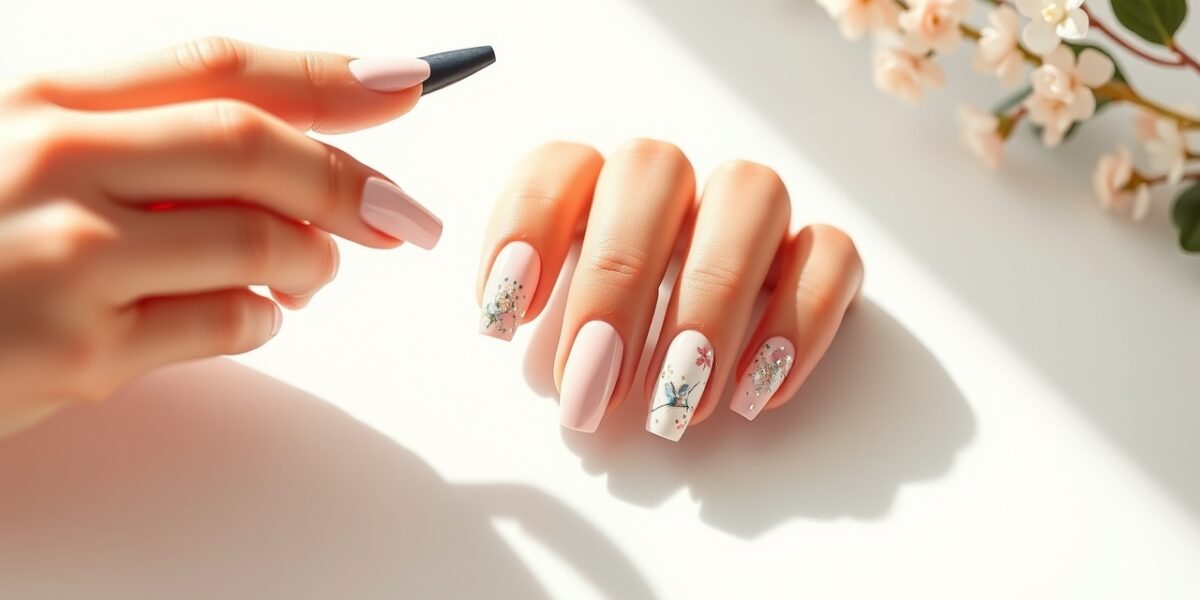
cuticle care routine at home is essential for maintaining strong, healthy nails. Here’s a simple cuticle care routine at home you can follow in the comfort of your bathroom, no salon visit required. This routine combines soothing, gentle tools and natural ingredients that work together to keep cuticles soft, hydrated, and free of irritation.
Cuticle care routine at home: The Basics
Before you dive into the steps, let’s take a moment to understand what a cuticle actually is. A cuticle is the thin layer of skin that protects the nail matrix from bacteria and fungi. While it may seem like a small detail, healthy cuticles are the foundation for a beautiful manicure. For more scientific background, you can read about the cuticle on Wikipedia.
What you need
- Warm water (not hot)
- Gentle hand soap or a mild cleanser
- Soft‑bristle toothbrush or a dedicated cuticle brush
- Cuticle pusher (wooden or plastic)
- Cuticle oil or natural oil like almond, jojoba, or coconut
- Moisturizing hand cream
- Optional: A small bowl of apple cider vinegar for a quick rinse
Step 1: Soak Your Hands
Soaking softens the cuticles and opens the pores, making the next steps painless. Place your hands in a bowl of warm water for 5–10 minutes. If you want a spa‑like experience, add a few drops of essential oil or a splash of apple cider vinegar for a mild antiseptic effect. After soaking, pat your hands dry with a clean towel—do not rub.


Step 2: Gently Push Back
With a soft‑bristle brush or a cuticle pusher, gently slide the tool under the cuticle edge from the nail bed toward the fingertip. The goal is not to cut or pull but to create a small gap between skin and nail. This step is part of the cuticle care routine at home that prevents buildup of dead skin and reduces the risk of infection. If you feel resistance, stop and re‑soak for a minute.
Step 3: Apply Cuticle Oil
Now it’s time for the cuticle oil benefits to shine. Apply a few drops of oil onto your fingertips and massage it into the cuticle and surrounding nail bed. This moisturizes the skin, promotes circulation, and creates a protective barrier that keeps water from seeping in. Repeat this action for each finger, including thumbs. Let the oil sit for 2–3 minutes before wiping off any excess with a clean cloth.
Step 4: Trim and File
Only trim if there is excess cuticle that looks uneven or is causing discomfort. Use a clean nail clipper or a small, sharp scissors. Trim in a single direction toward the nail bed, and avoid cutting into the living skin. After trimming, use a nail file to smooth the edges. A gentle, 20‑grit file works best—filing too aggressively can damage the nail matrix.
Step 5: Moisturize and Protect
Finish the cuticle care routine at home by applying a rich hand cream to the entire hand, paying special attention to the fingertips. Massage until fully absorbed. For added protection, you can apply a thin layer of cuticle oil again or a light coat of clear nail polish that contains cuticle‑friendly ingredients. This final layer seals in moisture and keeps cuticles supple.
Understanding Your Nails: Anatomy and Function
Knowing the structure of your nails helps you treat them more effectively. The nail plate is the hard, translucent part you see. Beneath it lies the nail bed, rich in capillaries that supply nutrients. The nail matrix, located under the cuticle, is where new nail cells are produced. Damage to the matrix can lead to ridges or discoloration, so gentle care is essential.
Advanced Tools and Ingredients
While the basic kit is sufficient for most, certain tools can elevate your routine:
- Cuticle nippers: Ideal for stubborn thickened cuticles but should be used sparingly.
- Microfiber gloves: Wear you’ll keep oils in and moisture out.
- Vitamin E capsules: Open a capsule and apply the oil directly for a quick boost.
- Hydrogel sheets: Place over fingertips for 15–20 minutes to lock in hydration.
When to Trim vs. Let It Grow
Trimming can look tidy, but over‑trimming can expose the nail bed and increase infection risk. A good rule of thumb: trim only if the cuticle is visibly thick or has a split. Otherwise, let it grow naturally and simply push back gently. For those who prefer a polished look, a light file can shape the cuticle edge without cutting.
Seasonal Cuticle Care
Weather changes affect your skin. In winter, dry air can cause cuticles to crack. Apply a heavier oil or a balm with shea butter. In summer, sweat and frequent hand washing can strip oils; use a lighter oil and moisturize after showers. Adjust your routine to match the season for optimum results.
Common Myths Debunked
- Myth: Cutting cuticles is necessary. Truth: Cutting can damage the matrix. Pushing back is safer.
- Myth: Strong nail polish protects nails. Truth: Some polishes contain harsh chemicals that dry out nails.
- Myth: You should never wash your hands after a manicure. Truth: Washing gently with lukewarm water keeps nails clean without drying them.
DIY Cuticle Care Kits
Build a kit tailored to your skin type:
- Choose a base oil (almond for dry skin, jojoba for oily skin).
- Add a drop of vitamin E for extra nourishment.
- Include a small bottle of hydrating gel or balm.
- Pack a soft brush and a wooden pusher.
- Keep a travel-sized hand cream for on‑the‑go touch‑ups.
Safety Tips for Nail Care
- Always sterilize tools before use; a quick rinse in hot water or a 70% alcohol wipe works.
- Avoid using sharp objects like razors; they can cause cuts.
- If you notice redness, swelling, or pain, stop the routine and consult a dermatologist.
- Use gloves when applying oils to keep them from staining clothing.
Integrating Cuticle Care with Nail Polish
After you finish the cuticle routine, you can apply polish. Here are tips to keep nails healthy:
- Use a base coat that contains a film‑forming agent to protect the nail bed.
- Apply thin coats—two to three layers—allowing each to dry fully.
- Finish with a clear topcoat that has moisturizing ingredients like glycerin.
- Remove polish with a gentle, oil‑based remover rather than acetone, which can dry out nails.
- For a quick refresh, use a “no‑removal” polish that you can wipe off with a cotton pad.
Want to choose the best polish that won’t harm your cuticles? Check out our guide to the best nail polish for healthy nails.
Professional vs. Home Care
Professional salons offer tools and products you may not have at home, but a consistent home routine is often more effective for long‑term health. Salons can provide deep conditioning treatments, but they may also expose nails to harsh chemicals. Home care gives you control over ingredients and frequency.
Troubleshooting Common Issues
- Dry, cracked cuticles: Increase oil frequency, use a thicker balm, or add a humidifier to your room.
- Rough nail surface: File in a single direction and avoid over‑filing.
- Redness or swelling: Stop using the current oil, try a hypoallergenic alternative, and apply a cold compress.
- Slow nail growth: Ensure you’re eating a balanced diet rich in biotin, zinc, and protein.
- Persistent fungal infection: Seek professional treatment; avoid self‑treating with over‑the‑counter antifungals that may be ineffective.
FAQ
- cuticle care routine at home: How often should I do it? A weekly routine is ideal for most people. If you frequently wash your hands or work with chemicals, consider a gentle daily routine—just the soak, push back, and oil.
- How do I know if my cuticle oil is working? You’ll notice softer, smoother skin and a decrease in dryness or flaking after a few weeks of consistent use. The cuticle should also feel more pliable.
- Can I use regular hand lotion instead of cuticle oil? While hand lotions hydrate skin, they often lack the deep‑penetrating oils needed for cuticles. A dedicated cuticle oil or a blend of oil and lotion works best.
- Is it safe to cut my cuticles if they’re thick? Cutting can damage the nail matrix and lead to ingrown nails. Instead, gently push
Leave a Reply