Have you ever wondered why do my nails break easily? If you’re noticing frequent splits, cracks, or tips that snap off with the slightest touch, you’re not alone. Nail breakage is a common problem that can be frustrating, but it’s rarely a sign of something serious. Understanding the root causes—whether they’re genetic, nutritional, environmental, or health‑related—can help you take targeted steps to restore strength and resilience to your nails.
Why do my nails break easily?
Nails are made of keratin, a tough protein that’s built from a complex mix of amino acids, minerals, and lipids. When any part of that building process is disrupted, the nail plate can become thin, porous, or brittle. The phrase why do my nails break easily often points to a combination of internal and external stressors. Below we break down the most common culprits and explain how they affect your nail health.
1. Genetics
Some people inherit a naturally thin or porous nail plate that is more prone to cracking. If your parents or grandparents had brittle nails, you might be genetically predisposed. While you can’t change your DNA, you can mitigate the symptoms with proper care.


2. Nutrition
Your nails need a steady supply of protein, biotin, iron, vitamin D, omega‑3 fatty acids, and zinc to grow strong. A diet lacking in these nutrients can lead to dry, weak nails that split easily. For example, a vegetarian who doesn’t include fortified foods or legumes may miss out on essential iron and protein.
3. Environmental Exposure
Frequent contact with water, detergents, or harsh chemicals erodes the protective oils on the nail surface. Soaking hands in soap for extended periods, washing dishes without gloves, or using nail polish remover that contains acetone can all weaken the nail plate.
4. Health Conditions
Thyroid disorders, anemia, eczema, psoriasis, and autoimmune diseases can all manifest as weak or discolored nails. In some cases, nail changes are the first visible sign of an underlying health issue.
5. Medication Side‑Effects
Certain drugs—such as chemotherapy agents, oral contraceptives, and some antibiotics—can thin the nail plate or alter its growth cycle. If you’ve started a new medication and notice sudden changes, it’s worth discussing with your prescriber.
6. Improper Nail Care
Over‑cutting, aggressive filing, or using dull tools can create micro‑cracks that propagate over time. Using your nails as tools to pry open jars or lift objects can also cause split tips.
How to Prevent Nail Breakage
Prevention is all about creating a protective routine that nourishes and shields the nail plate. Below are evidence‑based strategies that target each of the root causes.
Keep Nails Moisturized
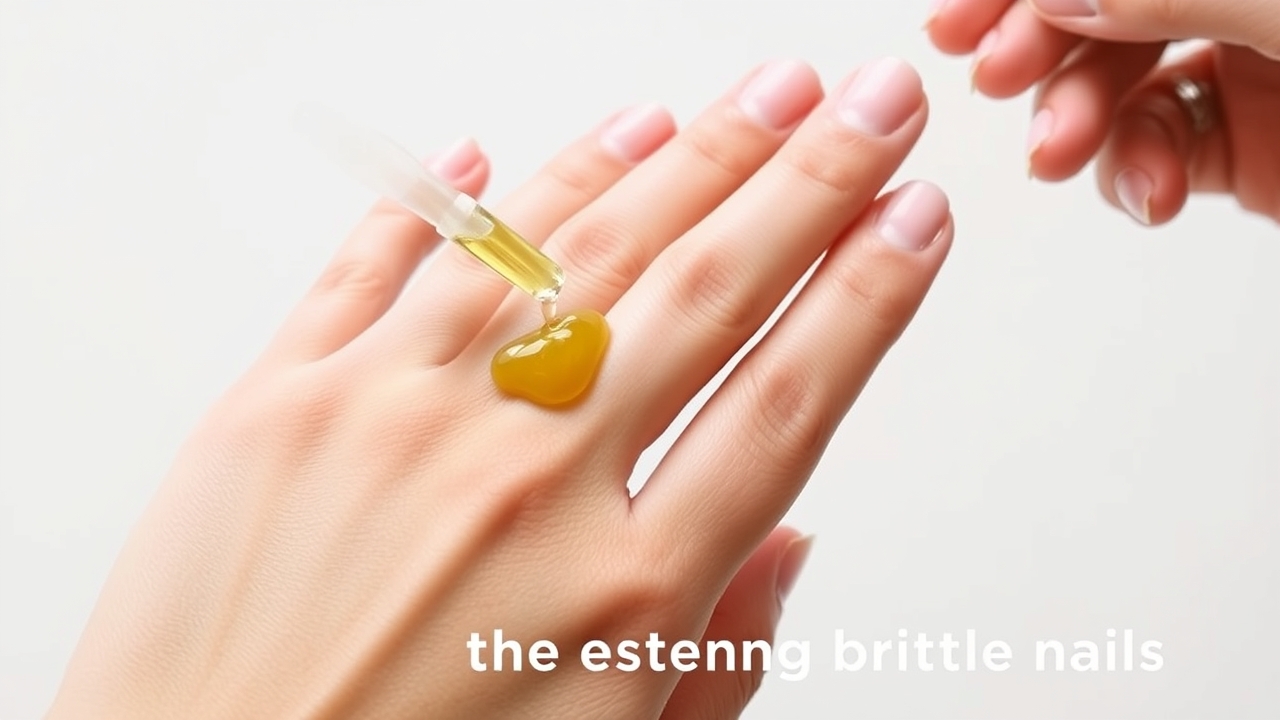
- Apply a natural oil—such as almond, jojoba, or olive oil—directly to the nail bed and cuticle twice daily. Massage gently to stimulate circulation.
- Use a cuticle cream that contains shea butter or vitamin E to lock in moisture and reduce dryness.
- For extra protection, apply a thin layer of petroleum jelly around the nail edge before bed.
Protect Against Water and Chemicals
- Wear nitrile or latex gloves when washing dishes, cleaning, or handling harsh chemicals.
- Choose fragrance‑free, sulfate‑free detergents and avoid prolonged soaking in hot water.
- When removing nail polish, use a gentle, acetone‑free remover and avoid rubbing aggressively.
Adopt Gentle Nail Care Practices
- Trim nails straight across; avoid cutting the free edge too short or rounding the corners sharply.
- File in one direction with a fine‑grit file; never file back and forth.
- Use a nail buffer sparingly to smooth the surface without thinning the plate.
- Refrain from using nails as tools—use proper implements instead.
Boost Internal Strength with Diet
- Include protein‑rich foods like eggs, fish, poultry, tofu, and legumes.
- Consume leafy greens, fortified cereals, and nuts for iron, zinc, and omega‑3 fatty acids.
- Consider a biotin supplement (5 mg/day) after consulting a healthcare provider.
- Stay hydrated—aim for at least 8 glasses of water a day to keep the nail matrix well‑moisturized.
DIY Treatments That Work
When nails have already started to split or snap, quick fixes can halt further damage while you build long‑term resilience. Below are step‑by‑step recipes and applications you can try at home.
1. Strengthening Top Coat
Choose a clear top coat that contains a polymer blend (e.g., polyacrylate or polyurethane). These polymers coat the nail surface, adding a flexible barrier that resists cracking.
- Step 1: Clean and buff the nail surface lightly.
- Step 2: Apply a thin layer of the top coat; let it dry completely (usually 2–3 minutes).
- Step 3: Apply a second thin layer for extra protection.
- Tip: Avoid over‑application; a thick coat can become tacky and attract dirt.
2. Hydrating Gel Polish
Gel polishes that include hyaluronic acid or glycerin draw moisture into the nail plate and create a flexible barrier.
- Step 1: Apply a base coat and cure under UV/LED light.
- Step 2: Apply the hydrating gel polish; cure again.
- Step 3: Finish with a clear top coat and cure.
- Tip: Use a gel polish with a low percentage of formaldehyde to reduce dryness.
3. Home‑Made Nail Mask
Mix 1 tablespoon of honey, 1 tablespoon of coconut oil, and 1 teaspoon of lemon juice. Honey’s antibacterial properties calm irritation while coconut oil nourishes.
- Step 1: Warm the mixture slightly in a microwave (10‑15 seconds).
- Step 2: Apply to nails and cuticles; leave for 10 minutes.
- Step 3: Rinse with lukewarm water and pat dry.
- Tip: Repeat twice weekly for best results.
4. Regular Cuticle Care
Soak fingertips in warm water with a few drops of mild soap, then gently push back cuticles with a soft‑bristled brush. Don’t cut cuticles; instead, trim excess with a clean nail clipper.
- Step 1: Soak for 5 minutes.
- Step 2: Gently push back with a cuticle stick.
- Step 3: Apply cuticle oil and massage.
When to Seek Professional Help
While most nail issues can be managed at home, persistent breakage, discoloration, or pain may signal a deeper health problem. If you notice:
- Sudden, widespread thinning or yellowing of nails.
- Pain or swelling around the nail bed.
- Consistent breakage despite following a rigorous care routine.
- Changes in nail texture or color that accompany skin or hair changes.
Consult a dermatologist or primary care provider to rule out underlying conditions such as thyroid dysfunction, anemia, or autoimmune disorders.
Seasonal Nail Care Tips
Different seasons bring unique challenges to nail health. Adjust your routine accordingly:
- Winter: Increase oiling frequency; use a humidifier to combat dry indoor air.
- Summer: Protect nails from sun exposure by wearing gloves when using sunscreen and avoiding prolonged water exposure.
- Spring: Incorporate a gentle exfoliating scrub to remove dead cuticle skin.
- Fall: Add a protein‑rich snack to your diet to support nail growth during the transition period.
Long‑Term Lifestyle Changes
Beyond daily care, certain lifestyle adjustments can reinforce nail strength over time:
- Quit smoking: Nicotine reduces blood flow to the nail matrix, impairing growth.
- Limit alcohol: Excessive alcohol dehydrates the body, leading to brittle nails.
- Manage stress: Chronic stress can affect hormone levels that influence nail health.
- Regular check‑ups: Annual dermatology or primary care visits can catch early signs of systemic issues.
Quick Recap & Actionable Checklist
To keep your nails from snapping, follow this simple routine:
- Moisturize daily with natural oils.
- Protect hands with gloves during chores.
- Trim and file gently, using a single direction.
- Adopt a balanced diet rich in protein, iron, and omega‑3s.
- Use a strengthening top coat or hydrating gel polish.
- Implement seasonal adjustments and lifestyle changes.
- Schedule a professional check‑up if problems persist.
By treating both the external and internal factors that contribute to brittle nails, you can break the cycle of breakage and enjoy a flawless DIY manicure.
FAQ
Why do my nails break easily?
Frequent breakage often points to one or more of the following: poor nutrition, excessive water exposure, harsh chemicals, or a genetic predisposition to thin nails.
What are the most effective natural treatments for fragile nails?
Daily oiling with almond or jojoba oil, a biotin‑rich diet, and a clear top coat with polymer reinforcement are proven to strengthen the nail plate.
How long does it take to see results from a nail‑strengthening routine?
Most people notice softer, less brittle nails within 4–6 weeks, though full recovery can take up to 3 months depending on the severity of damage.
When should I see a doctor about my nails?
Seek medical advice if you experience unexplained discoloration, pain, or persistent breakage that does not improve after consistent care.
Can certain foods or supplements actually reverse brittle nails?
Yes—foods high in biotin, zinc, iron, and omega‑3 fatty acids, as well as a daily biotin supplement (after consulting a healthcare provider), can improve nail strength over time. However, results vary and a balanced diet remains the cornerstone of healthy nails.
Nail Made Simple offers more detailed guides on nail health and DIY techniques.
Leave a Reply