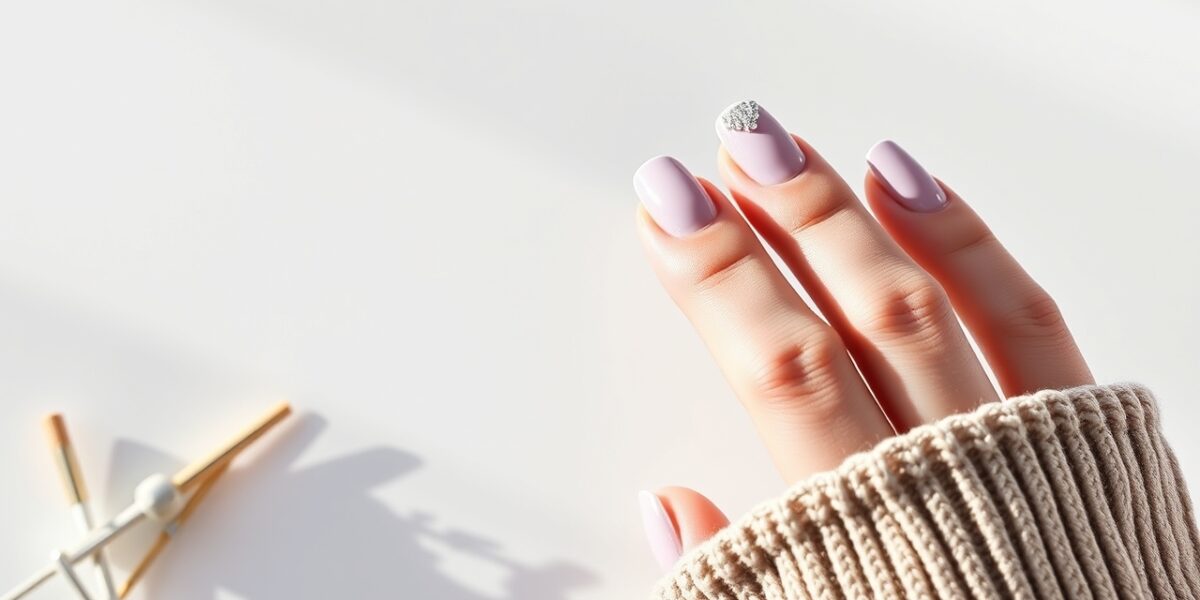
Cuticle care routine at home is essential for maintaining healthy nails and preventing infections. It’s not just about appearance; proper cuticle maintenance supports nail strength, reduces breakage, and inherits a polished look that lasts all week.
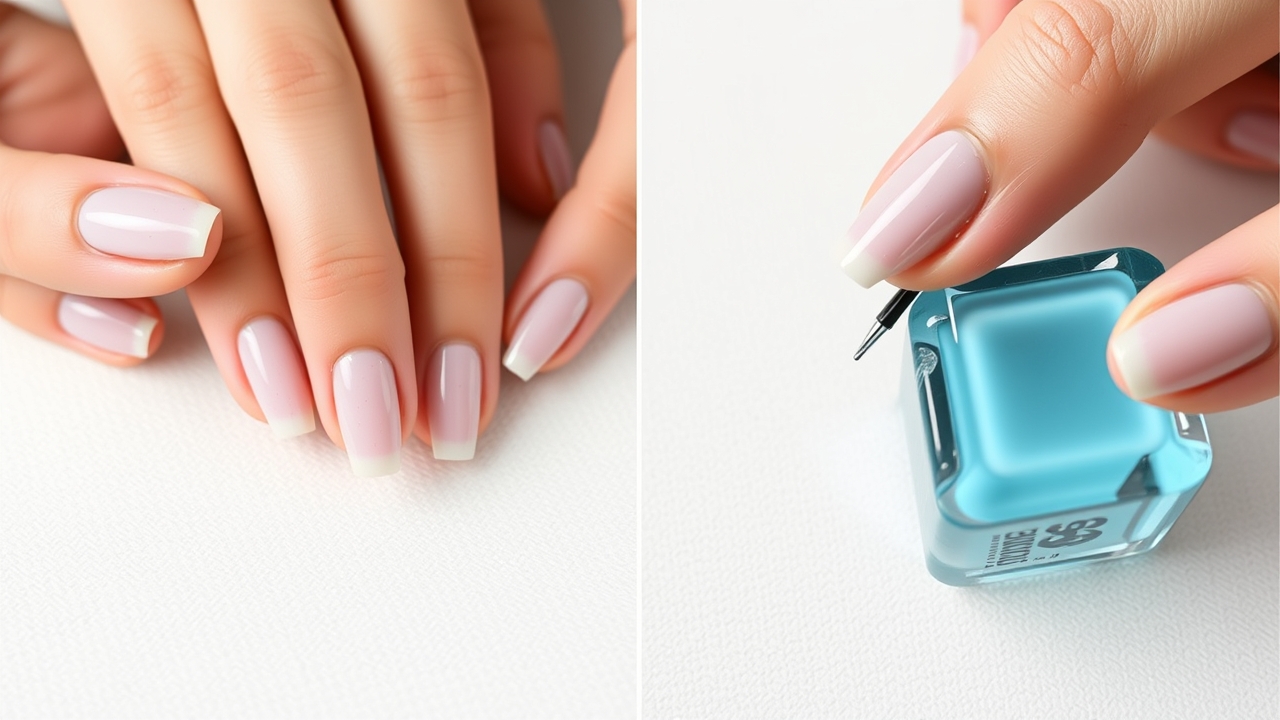
Tools and Ingredients You’ll Need
Before you dive into the routine, gather a few simple tools and ingredients. Having the right items on hand makes the process smoother and more effective.
- Cuticle pusher: A wooden or silicone pusher is gentle on the skin. Avoid metal tools that can cause cuts or infections.
- Cuticle nippers: Only use these for removing thick, dead skin. Keep them clean and sterilized.
- Soft cotton pads or a clean towel: For drying and applying products.
- Warm water: Not hot – a comfortable 100–110°F (38–43°C) is ideal.
- Unscented soap or mild oil: A few drops of almond or jojoba oil can be added to the water for extra nourishment.
- Cuticle oil or balm: Look for fragrance‑free formulas enriched with vitamin E, essential fatty acids, or shea butter.
- Optional: Cuticle brush or soft nail file: For gentle exfoliation.
Step 1: Soak Your Nails for 5–10 Minutes
Soaking is the foundation of any good cuticle routine. Warm water softens the cuticle skin, making it easier to push back without tearing. Add a gentle, unscented soap or a few drops of a mild oil, like almond or jojoba, to the water for extra nourishment.


- Fill a small bowl with warm water (not hot).
- Add a few drops of mild oil if desired.
- Place your hands in the bowl for 5–10 minutes.
- Gently pat your nails dry with a towel.
For those with very dry or calloused cuticles, you can extend the soak to 12 minutes or add a teaspoon of honey to the water for its natural humectant properties.
Step 2: Gently Push Back Cuticles
After soaking, your cuticles should be soft and pliable. Use a wooden or silicone cuticle pusher to gently nudge them back toward the nail bed. Avoid using metal tools or cutting the cuticles; this can cause infections or ingrown nails.
- Hold the pusher flat against the cuticle.
- Press gently in a circular motion.
- Work slowly, starting at the nail tip and moving toward the cuticle edge.
- Repeat for all fingers and toes.
Tip: If you have a particularly stubborn area, use a cotton swab dipped in a little cuticle oil to soften the skin before pushing back.
Step 3: Apply Cuticle Oil for Longevity
Cuticle oil is a critical component of the routine. It moisturizes the skin, encourages healthy nail growth, and creates a barrier against dryness. Choose a fragrance‑free oil with nourishing ingredients like vitamin E or essential fatty acids.
- Apply a small drop of oil to each cuticle.
- Massage gently into the skin.
- Let the oil absorb for a few minutes.
- Repeat daily for best results.
For extra hydration, you can use a cuticle balm that contains shea butter or cocoa butter. Massage a thin layer over the entire nail area, including the cuticle, nail bed, and surrounding skin.
Step 4: Trim Excess Skin (If Needed)
Occasionally, you may notice a thick, dry rim around the nails. Trim this with clean nail clippers or a cuticle nipper. Always cut straight across and avoid cutting into the living skin.
How to Care for Cuticles Safely
When caring for cuticles, keep these tips in mind:
- Never forcefully cut cuticles; this can lead to infections.
- Use sterilized tools to prevent bacteria from spreading.
- Moisturize after every routine to keep skin supple.
- Wear gloves when cleaning or using harsh chemicals.
Benefits of Cuticle Oil and Healthy Cuticles
Using cuticle oil regularly can:
- Improve nail flexibility and reduce breakage.
- Prevent split ends and ridges.
- Promote a natural shine.
- Reduce the risk of fungal or bacterial infections.
Common Misconceptions About Cuticle Care
Many people think that cutting cuticles is the best way to keep nails tidy. In reality, trimming the living skin can cause more harm than good. The best practice is to gently push back and moisturize, letting the cuticle grow naturally.
When to Seek Professional Help
If you notice persistent redness, swelling, or discharge, it’s time to consult a dermatologist or a licensed nail technician. These signs may indicate an infection that requires medical attention.
DIY Cuticle Oil Recipes
While store‑bought oils are convenient, you can create your own blends at home. These recipes are simple, cost‑effective, and free from synthetic fragrances.
- Vitamin E & Almond Blend: Combine 2 tablespoons of almond oil, 1 tablespoon of jojoba oil, and 1 teaspoon of vitamin E oil. Shake well and apply 1–2 drops to each cuticle.
- Shea Butter & Coconut Mix: Melt 1 tablespoon of shea butter and 1 tablespoon of coconut oil. Add 5 drops of lavender essential oil for a subtle scent. Let it cool, then apply.
- Honey & Glycerin Formula: Mix 1 teaspoon of honey, 1 teaspoon of glycerin, and 1 tablespoon of sweet almond oil. This blend is especially hydrating for very dry cuticles.
Advanced Care Tips for Enthusiasts
If you’re looking to take your cuticle care to the next level, consider these advanced practices:
- Exfoliating Pads: Use a pumice stone or a gentle exfoliating pad to remove dead skin after soaking.
- Cuticle Hardener: Apply a hardener once a week to strengthen the nail bed and reduce splitting.
- Weekly Mask: Treat your nails to a protein mask (e.g., a diluted egg white or a commercial nail mask) once a month for added strength.
- Protective Gloves: Wear nitrile gloves when doing household chores to keep cuticles moisturized.
Cuticle Care for Different Nail Types
Everyone’s nails are unique. Adjust your routine based on your nail type:
- Soft Nails: Moisturize more frequently and avoid harsh chemicals that can dry out the nail bed.
- Hard Nails: Use a gentle file to prevent over‑hardening and apply a strengthening oil.
- Curly or Coiled Nails: Push back carefully; the cuticle may be more prone to tearing.
Cuticle Care for Sensitive Skin
If you have eczema, psoriasis, or highly reactive skin, choose hypoallergenic products:
- Opt for fragrance‑free oils.
- Test a small area before full application.
- Consider consulting a dermatologist for personalized recommendations.
Cuticle Care for Kids
Kids’ nails grow faster and can be more fragile. Keep the routine gentle:
- Use a soft cotton swab to apply oil.
- Avoid cutting; let the cuticles grow naturally.
- Teach them to keep hands moisturized with a child‑friendly lotion.
Cuticle Care During Pregnancy
Hormonal changes can affect nail health. Focus on hydration and avoid harsh chemicals. Natural oils like olive oil or avocado oil are safe and nourishing.
Troubleshooting Common Issues
Even with a consistent routine, you may encounter problems. Here’s how to address them:
- Dry, cracked cuticles: Increase oil application and consider a weekly mask.
- Redness or swelling: Stop using the product and consult a professional.
- Infections: Keep nails trimmed, avoid biting, and use antifungal ointment if needed.
Maintenance Schedule
Consistency is key. A simple weekly schedule works for most people:
- Monday: Soak and push back.
- Wednesday: Apply oil and trim if necessary.
- Friday: Repeat and apply a protective balm.
- Monthly: Deep exfoliation and a protein mask.
Product Recommendations
Below are a few highly rated products that align with the routine described:
- Cuticle Oil: Fresh Cuticle Oil – fragrance‑free, with vitamin E.
- Cuticle Brush: Seche Vivre Cuticle Brush – durable and gentle.
- Cuticle Nippers: Tweezerman Cuticle Nippers – ergonomic and precise.
- Protective Glove: Nitrile Work Gloves – breathable yet protective.
Frequently Asked Questions
- Cuticle care routine at home: How often should I perform it? A gentle routine 2–3 times per week is usually sufficient. If your nails are dry, you may benefit from daily moisturizing.
- How do I care for cuticles on my toes? Follow the same steps as for fingers, but use a slightly larger pusher and ensure you keep the area dry afterward.
- Can I use a nail polish remover on cuticles? Avoid harsh acetone; it dries out the skin. Use a non‑acetone remover if you need to clean the area.
- What is the best cuticle oil? Look for oils with vitamin E and essential fatty acids; avoid fragrances that can irritate sensitive skin.
- Is it safe to push back cuticles with a nail file? A nail file is not recommended for pushing back; use a dedicated pusher instead.
For more general nail care tips, you might explore our nail care basics guide. Learning how to care for cuticles is just one part of a comprehensive nail care routine that keeps your hands and feet healthy.
Remember, a simple cuticle (Wikipedia) routine can transform the look and feel of your nails. Consistency, gentle techniques, and proper moisturization are the keys to beautiful, healthy nails.
Leave a Reply