
Best foods for healthy nails can transform brittle, dull nails into strong, glossy, and resilient ones.
For more nail care tips, visit our nail care blog.
Best Foods for Healthy Nails: The Ultimate List
When you’re looking for the best foods for healthy nails, protein and vitamins are the key players. Below is a detailed list of the top foods you should incorporate into your diet.


- Eggs – Rich in biotin and protein, eggs provide the building blocks needed for keratin production.
- Leafy greens – Spinach, kale, and Swiss chard are high in vitamin A, vitamin C, and iron, all of which support nail health.
- Salmon and other fatty fish – Packed with omega‑3 fatty acids and vitamin D, these fish help keep nails hydrated.
- Almonds and walnuts – A great source of biotin, vitamin E, and zinc to strengthen the nail matrix.
- Sweet potatoes – High in beta‑carotene, they convert to vitamin A, essential for cell renewal.
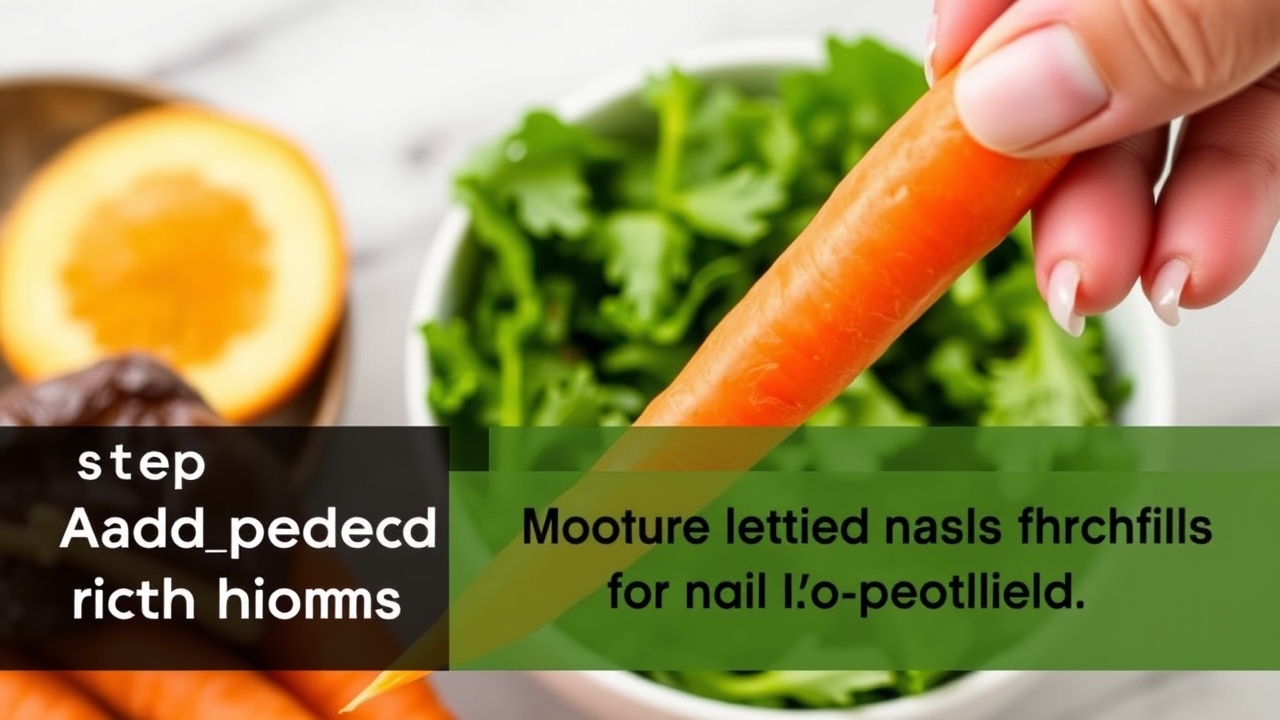
- Carrots – Another beta‑carotene powerhouse that supports healthy nail growth.
- Berries – Strawberries, blueberries, and raspberries are rich in vitamin C, which aids collagen formation.
- Greek yogurt – Contains protein and calcium, both vital for nail strength.
- Quinoa – A complete protein with all nine essential amino acids, plus iron and magnesium.
- Avocado – Loaded with healthy fats, vitamin E, and folate.
Nutrition for Nails: The Science Behind the Foods
Understanding why these foods matter requires a quick dive into the biology of nails. Nails are made of keratin, a protein that needs a steady supply of amino acids, vitamins, and minerals to maintain its structure. Biotin, vitamin C, zinc, and omega‑3 fatty acids are especially important because they influence the rate of cell turnover. The best foods for healthy nails work by supplying essential nutrients that repair and strengthen the nail matrix. Wikipedia’s entry on nails outlines the key nutrients involved in nail formation.
Vitamins for Nail Growth: What Your Body Needs
- Biotin (Vitamin B7) – Often called the “beauty vitamin,” biotin supports the synthesis of keratin. A deficiency can cause thinning and splitting.
- Vitamin C – An antioxidant that protects nail cells from oxidative stress and helps form collagen.
- Vitamin E – Promotes circulation to the nail bed, helping nutrients reach the growth zone.
- Vitamin D – Plays a role in calcium absorption, which indirectly benefits nail strength.
Minerals That Boost Nail Health
- Zinc – Essential for DNA synthesis and cell division, zinc deficiency often shows as brittle nails.
- Iron – Keeps the nail bed well‑oxygenated; low iron can lead to pale or ridged nails.
- Magnesium – Involved in protein synthesis and enzyme reactions that maintain nail structure.
Diet for Strong Nails: Practical Meal Ideas
Incorporating the right foods into your daily routine is easier than you think. Here’s a quick reminder of the best foods for healthy nails you can add to breakfast, lunch, and dinner.
Breakfast Boost
- Scrambled eggs with sautéed spinach and a sprinkle of grated Parmesan.
- Greek yogurt topped with a handful of almonds and fresh blueberries.
- Oatmeal cooked with milk, mashed banana, and a spoonful of ground flaxseed.
Lunch Ideas
- Quinoa salad with cherry tomatoes, avocado, walnuts, and a lemon‑olive‑oil dressing.
- Grilled salmon fillet served with steamed broccoli and sweet‑potato mash.
- Whole‑grain wrap filled with mixed greens, hummus, shredded carrots, and sliced turkey.
Snack Staples
- Carrot sticks with hummus.
- Apple slices with almond butter.
- Hard‑boiled eggs with a pinch of sea salt.
Dinner Delights
- Stir‑fry made with tofu, kale, bell peppers, and a splash of soy sauce.
- Baked cod topped with a drizzle of olive oil, lemon zest, and fresh dill.
- Roasted chicken thighs with a side of roasted Brussels sprouts and quinoa.
Supplementing Your Diet: When Food Alone Isn’t Enough
For people who struggle to get enough nutrients from food alone, a biotin supplement can be a useful adjunct. However, it’s best to talk with a healthcare professional before starting any new supplement, especially if you have underlying health conditions.
Mindful Eating: Avoiding Nail‑Harassing Foods
The best foods for healthy nails are often paired with mindful eating choices that avoid sugar and caffeine. High‑sugar snacks, processed foods, and excessive alcohol can all compromise nail integrity by depleting essential nutrients and increasing oxidative stress. Instead, focus on whole, minimally processed foods, and keep sugary drinks to a minimum.
Common Nail Problems and How Nutrition Helps
Below are three frequent nail issues and the specific nutrients that can counteract them.
- Thinning and Splitting – Biotin, zinc, and omega‑3 fatty acids strengthen the nail plate and reduce brittleness.
- Ridged Nails – Adequate iron and calcium maintain healthy blood flow to the nail bed, smoothing ridges.
- Discolored Nails – Vitamin C and E combat oxidative damage, while magnesium helps regulate enzyme activity that can cause discoloration.
Cooking Tips to Preserve Nutrients
Heat can destroy some vitamins, especially vitamin C and B‑complex. Use these strategies to keep nutrients intact:
- Steaming – Ideal for leafy greens and fish; it preserves water‑soluble vitamins.
- Quick Sautéing – Toss spinach or kale in a hot pan for 30–60 seconds to keep vitamin C levels high.
- Raw or Lightly Cooked – Add carrots, bell peppers, and berries to salads or smoothies.
- Use the Cooking Liquid – Include broth or sauce in your dish to recover nutrients that leach into the water.
Pairing Foods with Your Nail Care Routine
Optimizing nail health isn’t just about diet; it’s also about how you care for nails externally. Here’s a simple pairing guide:
- Pre‑nail Polish Prep (Breakfast) – Eat a protein‑rich breakfast (eggs + spinach) to supply keratin building blocks before you start painting.
- During Manicure (Mid‑Day) – Sip a green smoothie with avocado, berries, and a scoop of collagen powder to keep nails hydrated while you work.
- Nighttime Routine (Dinner) – Finish with a meal high in omega‑3s (salmon) and magnesium (quinoa) to aid overnight repair.
Myth vs. Fact: Debunking Nail Nutrition Misconceptions
- Myth: More protein always means stronger nails. Fact: Quality matters—focus on biotin‑rich proteins like eggs and fish rather than just any protein source.
- Myth: Nail polish alone can prevent brittleness. Fact: Polish can trap moisture and chemicals that weaken nails; a balanced diet is essential.
- Myth: Supplements are a substitute for food. Fact: Whole foods provide a synergistic mix of nutrients that supplements can’t replicate.
Daily Nail Health Checklist
- Drink at least 8 cups of water to keep nails hydrated.
- Include a biotin source in every meal (eggs, nuts, fish).
- Eat a serving of leafy greens or a berry‑rich fruit daily.
- Limit sugary drinks and processed snacks.
- Apply a light moisturizer to cuticles each night.
- Schedule a weekly manicure that uses non‑toxic polish.
Frequently Asked Questions
1. Can I get enough biotin from food, or do I need a supplement?
Most people can meet their biotin needs through a balanced diet. Foods like eggs, almonds, and salmon provide 30–50 µg per serving, which is well above the RDA of 30 µg. A supplement may be useful only if a deficiency is confirmed by a healthcare provider.
2. How long does it take to see visible improvements in nail strength after changing my diet?
Nails grow at about 3 mm per month. You may notice a subtle change in texture or thickness within 4–6 weeks, but full improvement can take 3–4 months.
3. Are there any foods that can damage nails even if they’re nutrient‑rich?
High‑acid foods like citrus or tomato sauces can erode nail polish and, over time, the nail bed if not balanced with alkaline foods. Pair them with calcium‑rich foods to neutralize acidity.
4. Can I use a vegan biotin supplement if I’m vegetarian?
Yes, vegan biotin is available and is chemically identical to animal‑derived biotin. However, ensure it’s from a reputable source and that you’re still consuming biotin‑rich plant foods.
5. What should I do if my nails remain weak despite a healthy diet?
Consult a dermatologist or a nutritionist. Underlying conditions such as thyroid disease, anemia, or fungal infections can affect nail health and may require medical treatment.
Conclusion
Building strong, glossy nails is a holistic process that blends the right nutrients with mindful eating and proper care. By integrating the best foods for healthy nails—eggs, leafy greens, fatty fish, nuts, sweet potatoes, carrots, berries, Greek yogurt, quinoa, and avocado—into your daily meals, you give your nails the building blocks they need to grow, repair, and shine. Remember to protect these building blocks with cooking techniques that preserve vitamins, pair your diet with a gentle nail care routine, and stay hydrated. Over time, the changes you make today will show up as healthier, more resilient nails that you’ll be proud to flaunt. Happy eating and happy nails!
For further reading, see related references on Wikipedia.
Leave a Reply