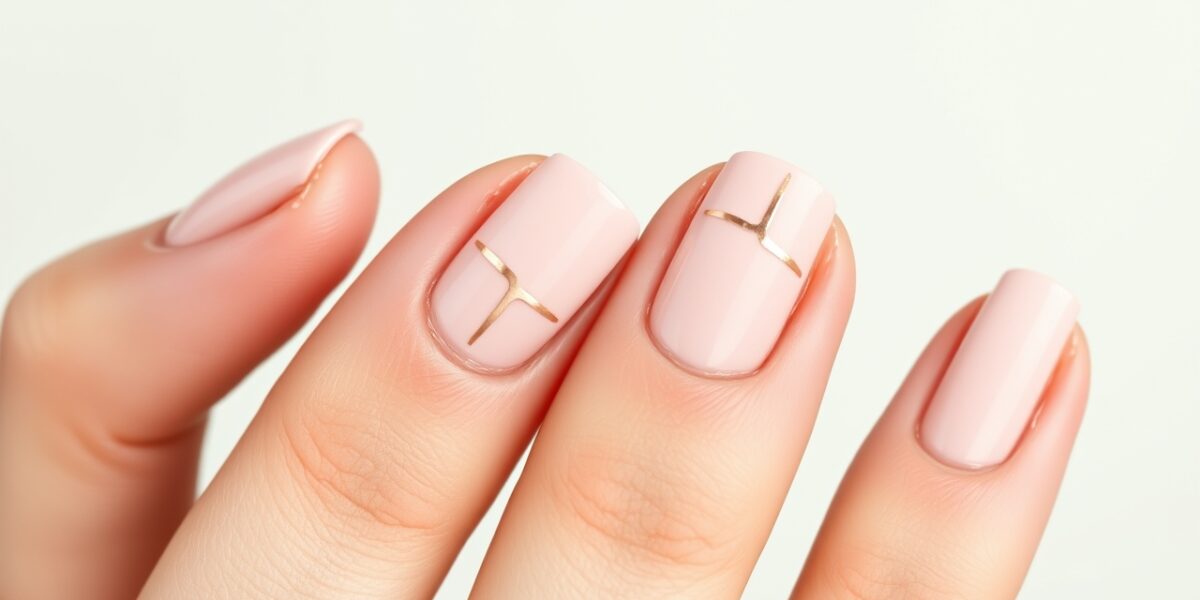
How to shape your nails at home is a skill that can save time, money, and keep your nails healthy. Many people think a trip to the salon is the only way to get a neat look, but with a few tools and a clear routine, you can achieve a professional finish right in your bathroom.
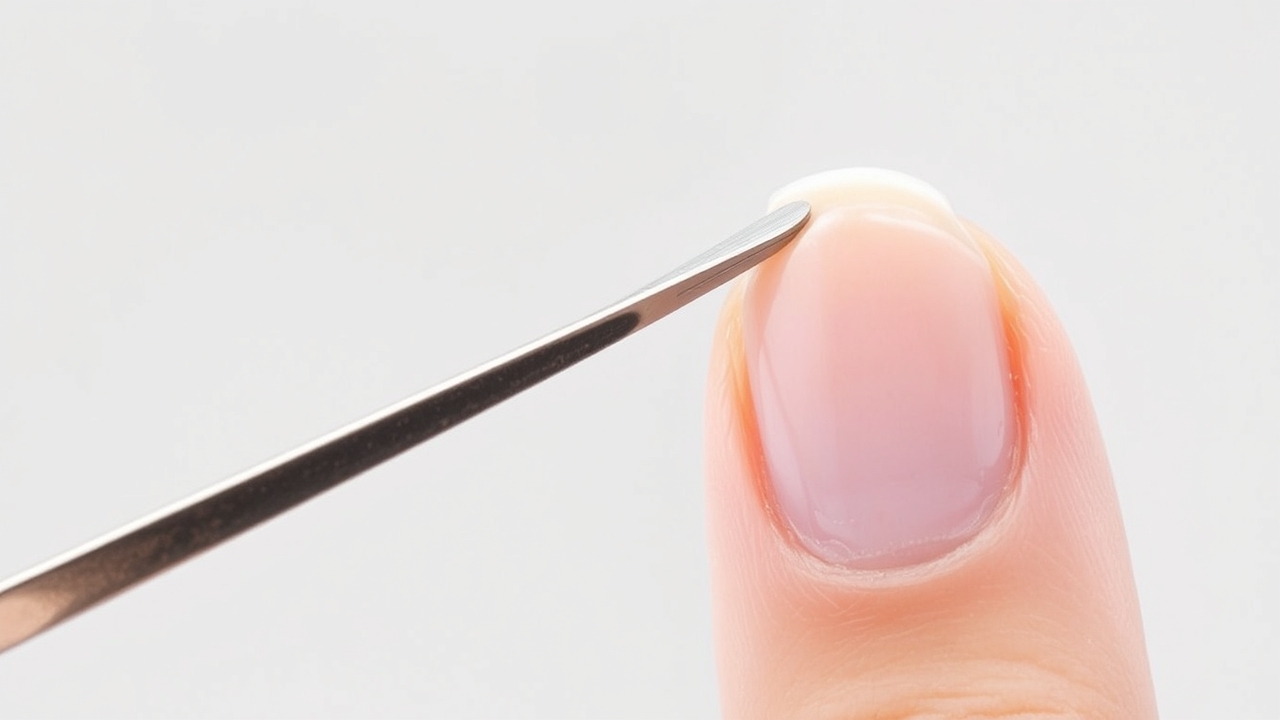
Why Nail Shaping Matters
Proper nail shaping isn’t just about aesthetics. It reduces the risk of breakage, prevents hangnails, and creates a smooth surface for polish or nail art. A well‑shaped nail also looks longer and more elegant, especially if you’re aiming for a polished everyday look or a bold statement piece.
Understanding Nail Anatomy
Before you file, know what you’re working with. The nail plate is the hard, translucent part you see; the nail bed is the skin underneath; and the cuticle protects the growth zone. Over‑filing the plate can thin the nail, while aggressive cutting of the cuticle can lead to infection. Treat each area with care to preserve strength.


Tools You Need: File Nails Properly
- Coarse and Fine Files: A 80‑grit file for quick shaping, followed by a 320‑grit file for smoothing.
- Nail Clippers: Use Rooney‑style clippers for a clean cut on the nail bed.
- Cuticle Pusher: Gently push back cuticles before filing.
- Moisturizer or Cuticle Oil: Keeps skin supple and reduces cuticle irritation.
- Buffer: A small buffer block for a polished finish.
Choosing the Right File & Clippers
Not all files are created equal. A 80‑grit file removes bulk quickly but can create ridges if overused. A 320‑grit file smooths the surface and gives a natural sheen. For clippers, a double‑edge design offers a sharper cut, while a single‑edge is gentler on the nail bed. Test each on a spare nail to gauge comfort.
Nail Shapes Guide
Choosing the right shape depends on your finger length, lifestyle, and personal style. Below are the most popular shapes and when they shine.
Oval
The oval shape is positioned between a round and a square. It elongates fingers and works well for those who want a subtle, elegant look.
Square
Square nails have sharp corners and a straight edge. They’re great for everyday wear and give a modern, structured feel.
Round
Round nails curve gently from the tip. They’re forgiving for beginners and ideal for a natural, low‑maintenance look.
Stiletto
Stiletto nails are long and pointed. They’re a bold statement for special occasions but require extra care to avoid breakage.
Manicotti
Manicotti nails are short, rounded, and often have a slight curve. They’re perfect for busy lifestyles or when you want a quick, no‑fuss look.
Step‑by‑Step: How to Shape Your Nails at Home
- Prep Your Nails: Wash hands, soak nails in warm water for 5 minutes to soften cuticles, then gently push them back with a cuticle pusher.
- Trim: Use a clippers to cut the nail to your desired length. For most shapes, keep nails at about 5–6 mm length.
- File in One Direction: Start with a coarse file TIMING 30 seconds, then switch to a fine file. File only in one direction to avoid splitting.
- Shape the Edge: Depending on the chosen shape, gently round the corners for oval or square, or create a sharp point for stiletto. Use a buffer for a smooth finish.
- Moisturize: Apply cuticle oil and a moisturizing lotion to keep skin and nails hydrated.
Common Mistakes and How to Avoid Them
- Filing Backwards: This can split nails. Always file forward.
- Over‑Trimming: Short nails become weak. Keep a small amount of nail intact.
- Using a Single File: A coarse file alone can leave ridges. Switch to a fine file after the initial shaping.
Tips for Maintaining Shape
- Apply a topcoat every few days to protect the filing edges.
- Use a nail hardener if you have brittle nails.
- Revisit the filing process every 2–3 weeks to keep nails even.
Nail Shaping Tips
Here are a few quick hacks to keep your nails looking sharp:
- Keep a nail file in your bag for on‑the‑go touch‑ups.
- Use a nail buffer after filing to eliminate microscopic scratches.
- For a subtle shine, apply a clear gloss over the base coat.
Best Nail Shape for Your Lifestyle
Match the nail shape to your daily routine. For instance, if you’re a frequent hand‑worker, choose a square or oval shape that resists breakage. If you love long, dramatic looks, a stiletto or almond shape might suit you best.
FAQ
- How to shape your nails at home can be done safely? By using gentle filing, proper tools, and avoiding harsh chemicals.
- What is the best file grit for beginners? Start with an 80‑grit file for shaping, then switch to a 320‑grit for smoothing.
- Can I use a nail polish remover to shape my nails? No, nail polish remover is meant for cleaning polish, not shaping.
- How often should I file my nails? Every 2–3 weeks, or as needed when they grow uneven.
- Is it okay to.commit to a stiletto shape if I have weak nails? It’s best to strengthen nails first; otherwise, they may break easily.
By following these simple steps, you’ll master how to shape your nails at home and enjoy a salon‑level finish whenever you want. Remember, the key is patience, the right tools, and a gentle approach. Happy filing!
For more detailed tutorials and community support, visit our community and explore a variety of nail art ideas.
Learn more about nail anatomy from reliable sources like Nail (Wikipedia).
Leave a Reply