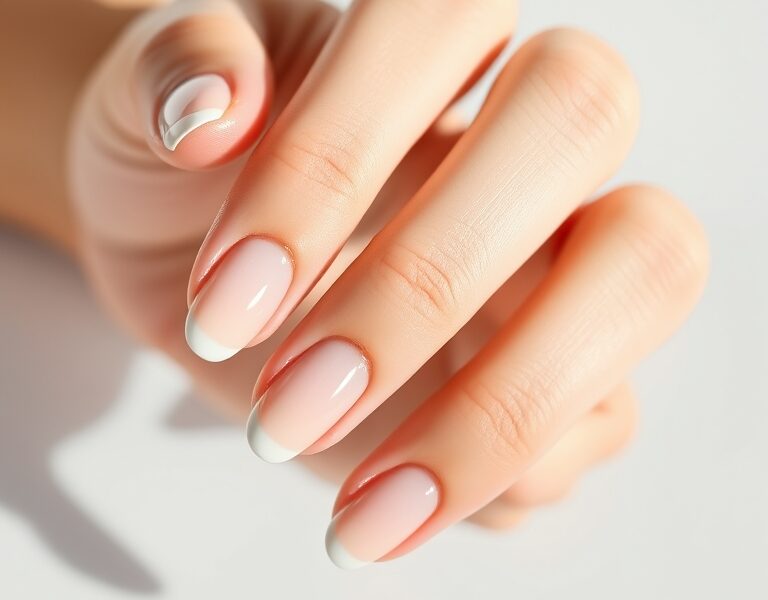
How to shape your nails at home is a skill that can turn a simple manicure into a polished look. In this guide I’ll walk you through every step, from choosing the right shape to mastering the file technique.
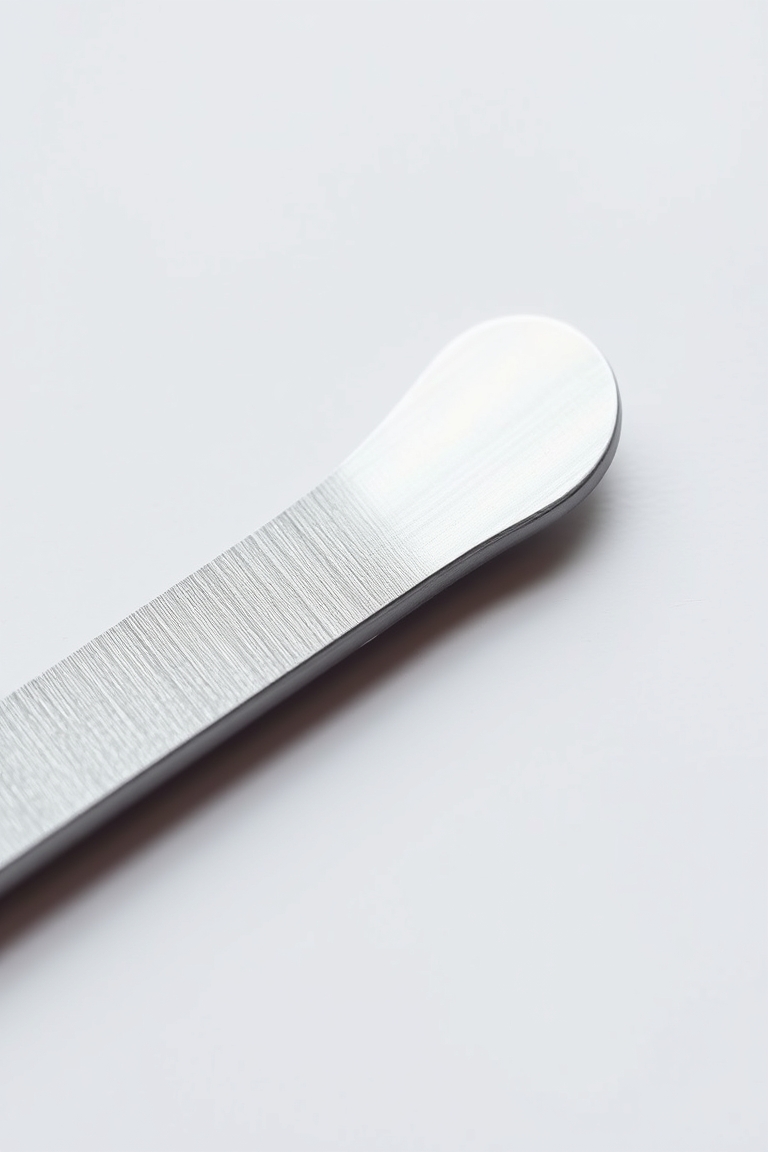
How to shape your nails at home: The essential steps
Before you start, gather your supplies: a good quality nail file, a buffer, a cuticle pusher, a small mirror, and a clean towel. Keep your nails clean and dry; any remnants of polish or oils can interfere with a smooth file.
1. Trim the nails first
Use a nail clipper to trim your nails straight across. Avoid cutting too short; leave a small edge to protect the nail bed. If you prefer a curved look, trim slightly shorter on the sides and leave the tip longer.


2. File in one direction
File nails properly by moving the file in one continuous motion, from the cuticle to the tip. Avoid back‑and‑forth filing, which can split the nail. Use a coarse grit file for trimming, then switch to a finer grit for smoothing.
3. Shape the edges
Depending on your chosen nail shape, angle the file to create the desired contour. For a classic oval, file the sides in a gentle arc. For a square, file the sides straight and keep the corners sharp.
4. Buff for shine
Once the shape is set, use a buffer to polish the nail surface. Buff in a circular motion, focusing on the center of the nail to bring out a subtle sheen.
Nail shapes guide: Classic and modern options
Below is a quick reference to help you decide which shape suits your lifestyle and personal style.
- Round: The most natural shape, ideal for everyday wear. Keeps nails short and prevents breakage.
- Square: Adds a touch of edginess while still being practical. Great for work or casual occasions.
- Squoval: A hybrid of square and oval. Provides a balanced look with a slight curve at the tips.
- Almond: Long, tapered shape that elongates the fingers. Works well for formal events.
- Oval: Graceful and feminine, slightly longer than round. Perfect for a refined look.
- French: A classic white tip on a clear base. Minimalistic and timeless.
Remember, the best nail shape is one that complements your hand size and fits your daily routine. Experiment with a few shapes until you find your favorite.
File nails properly: The technique that makes a difference
Many people file back and forth, which can create ridges and weaken the nail. Instead, follow these steps:
- Hold the file at a 45‑degree angle to the nail plate.
- Move the file from the cuticle toward the tip in a single motion.
- Repeat on the other side, keeping the file level.
- Finish with a gentle buff to smooth any edges.
Using this method reduces splitting and keeps your nails looking healthy.
Top nail shaping tips for a flawless finish
- Keep nails moisturized: Apply cuticle oil or hand cream after filing to prevent dryness.
- Use a mirror: A small magnifying mirror helps you see the nail edges clearly.
- Work slowly: Rushing can lead to uneven shapes. Take your time for precision.
- Clean the file: Periodically wipe the file to remove debris that can scratch the nail.
- Practice on a single nail: If you’re new, start with one nail to master the technique before working on all five.
When to seek professional help
If you notice persistent ridges, discoloration, or pain, it’s best to consult a nail technician or dermatologist. While home shaping is convenient, a professional can address underlying issues that may require specialized care.
Frequently Asked Questions
- How to shape your nails at home can I use a nail drill?
- Yes, a nail drill can be used for shaping, but it’s essential to use a low speed and a gentle file attachment to avoid damaging the nail plate.
- What is the best file grit for beginners?
- A medium grit (around 80–120) is ideal for beginners. It provides enough abrasion to shape the nail without causing excessive wear.
- Can I shape my nails if I have an infection?
- It’s best to avoid filing during an active infection. Treat the infection first and wait until it’s resolved before reshaping.
- How often should I file my nails at home?
- File your nails every 2–3 days to maintain shape and prevent overgrowth.
- Is it safe to file nails after applying acrylic?
- Only if the acrylic has fully cured and you’re using a dedicated acrylic file. Otherwise, it can compromise the acrylic’s integrity.
For more in‑depth nail care tips, visit Nails Made Simple and explore our articles on healthy nail habits.
Learn more about the anatomy of the nail from Wikipedia.
Understanding Your Nail Anatomy
Before you begin shaping, it helps to know the different parts of your nail. The nail plate is the hard, translucent part you see; the cuticle is the skin that overlaps the base; the nail bed lies beneath the plate and is your skin’s canvas; and the nail matrix is the growth zone located under the cuticle. Knowing these helps you file responsibly, avoiding damage to the growth zone.
Choosing the Right Tools for the Job
While a standard nail file works for most, certain situations call for specialized tools:
- Emery board: Great for beginners; it’s gentle and quick for straight cuts.
- Diamond file: Offers a finer finish and is ideal for delicate nail beds.
- Buffer block: A multi‑grade block that brings a high‑gloss shine without harsh abrasion.
- Cuticle pusher: Helps push back the cuticle without cutting it.
- Mini mirror: A magnifying mirror ensures you see fine details, especially on thin nails.
Step‑by‑Step: From Trim to Polish
- Prep the nails: Wash your hands thoroughly, dry them, and remove any old polish with a non‑acetone remover.
- Trim: Use a sharp nail clipper to cut straight across. Avoid cutting too close to the skin.
- File: Start with a coarse file to shape, then switch to a fine grit for smoothing. File in one direction.
- Shape: Decide on the shape you want—round, square, almond, etc.—and file accordingly.
- Buffer: Lightly buff the surface to remove ridges and add shine.
- Moisturize: Apply cuticle oil or hand cream to keep the nail bed hydrated.
- Polish (optional): If you want a base coat, apply a clear topcoat for protection.
- Clean up: Use a small brush to remove any debris from the nail bed.
Advanced Filing Techniques
Once you’re comfortable with basic filing, consider these advanced methods:
- Side‑to‑side filing: For a more symmetrical look, file the sides of the nail in parallel motions.
- Edge smoothing: Use a small, angled file to gently round off sharp corners.
- Edge polish: After filing, apply a thin layer of clear topcoat on the edges to prevent chipping.
Common Mistakes and How to Avoid Them
- Over‑filing: Filing too aggressively can thin the nail plate. Use light strokes and check frequently.
- Back‑and‑forth filing: This creates ridges. Stick to the one‑direction rule.
- Using a dirty file: Debris can scratch the nail. Clean the file after each use.
- Forgetting cuticle care: Neglecting cuticles can lead to hangnails. Gently push back and moisturize.
- Skipping moisturization: Dry nails are more prone to breakage. Apply hand cream after filing.
DIY Nail Care Routine
Incorporate shaping into a weekly routine for optimal results. A typical schedule might look like this:
- Day 1: Trim and file; apply base coat.
- Day 3: Buffer and moisturize; apply topcoat.
- Day 5: Re‑trim if needed; touch up polish.
- Day 7: Full hand massage with cuticle oil.
When to Use Professional Tools
While home tools are sufficient for most, certain situations warrant professional equipment:
- Extremely thin nails: A professional may use a fine‑grit file or a micro‑taper tool to avoid over‑thinning.
- Nail disorders: Conditions like onychomycosis or psoriasis may need specialized care.
- High‑volume work: If you’re a nail tech, you’ll likely use a rotary drill with a diamond tip for precision.
Seasonal Nail Care Tips
Different seasons bring different challenges. Here’s how to adapt:
- Winter: The cold can dry out nails. Increase oiling frequency and use a hydrating base coat.
- Summer: UV exposure can fade polish. Use a UV-resistant topcoat and apply sunscreen to the hands.
- Spring: The change of weather can cause nail brittleness. Perform a gentle buff and apply a strengthening serum.
- Fall: The dry air can lead to hangnails. Keep cuticles moisturized and file gently.
Troubleshooting Common Problems
- Ridges: Usually caused by over‑filing or dehydration. Buff gently and moisturize.
- Peeling: Indicates a weak nail plate. Use a strengthening base coat and avoid harsh chemicals.
- Discoloration: Could signal infection or fungal growth. Seek professional advice and consider antifungal treatments.
- Chipping: Often due to a thin topcoat. Apply a thicker topcoat or a hardener.
- Hangnails: Result from dry cuticles. Use cuticle oil and avoid cutting them.
Glossary of Nail Terms
- Cuticle: The skin at the base of the nail.
- Nail bed: The skin underneath the nail plate.
- Nail matrix: The growth zone of the nail.
- Emery board: A paper-backed file for quick shape.
- Diamond file: A file with a diamond grit for fine finishes.
- Buffer block: A multi‑grade block for polishing.
Conclusion
Mastering how to shape your nails at home is a blend of technique, patience, and the right tools. By following the steps above, you’ll achieve a salon‑quality finish without stepping out. Remember to keep your nails healthy, moisturized, and protected with a good base and topcoat. With practice, your nails will not only look great but will also stay strong and resilient.
For more in‑depth nail care tips, visit Nails Made Simple and explore our articles on healthy nail habits.
Learn more about the anatomy of the nail from Wikipedia.
Leave a Reply