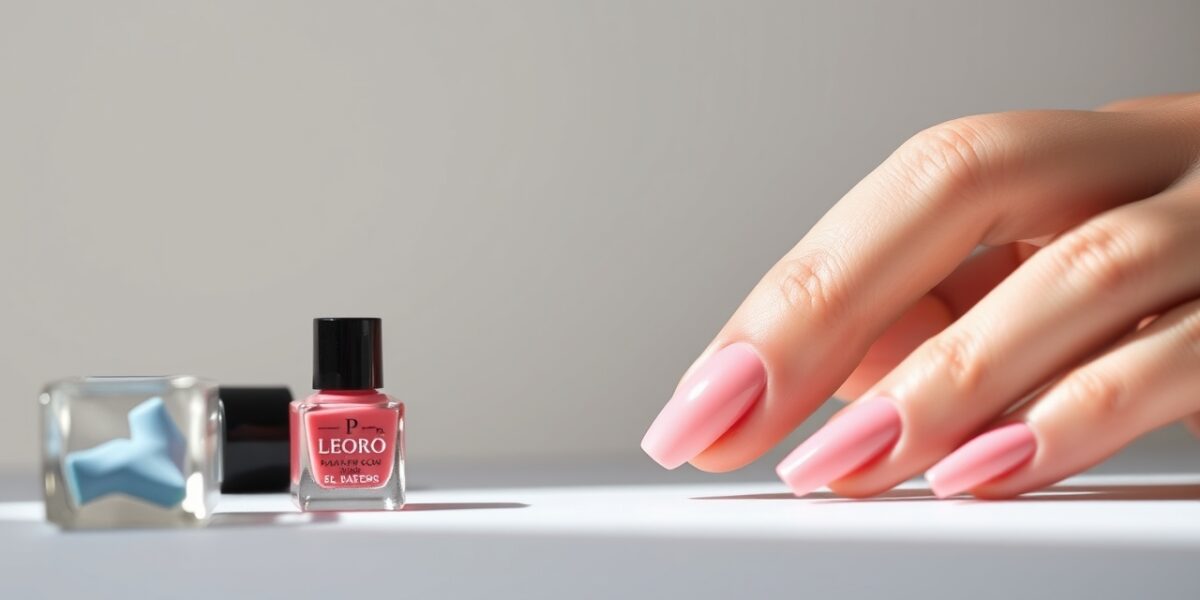
Cuticle care routine at home can transform the health and appearance of your nails. If you spend a few minutes each week doing a simple routine, you’ll notice softer, stronger nails that look polished and ready for any style.
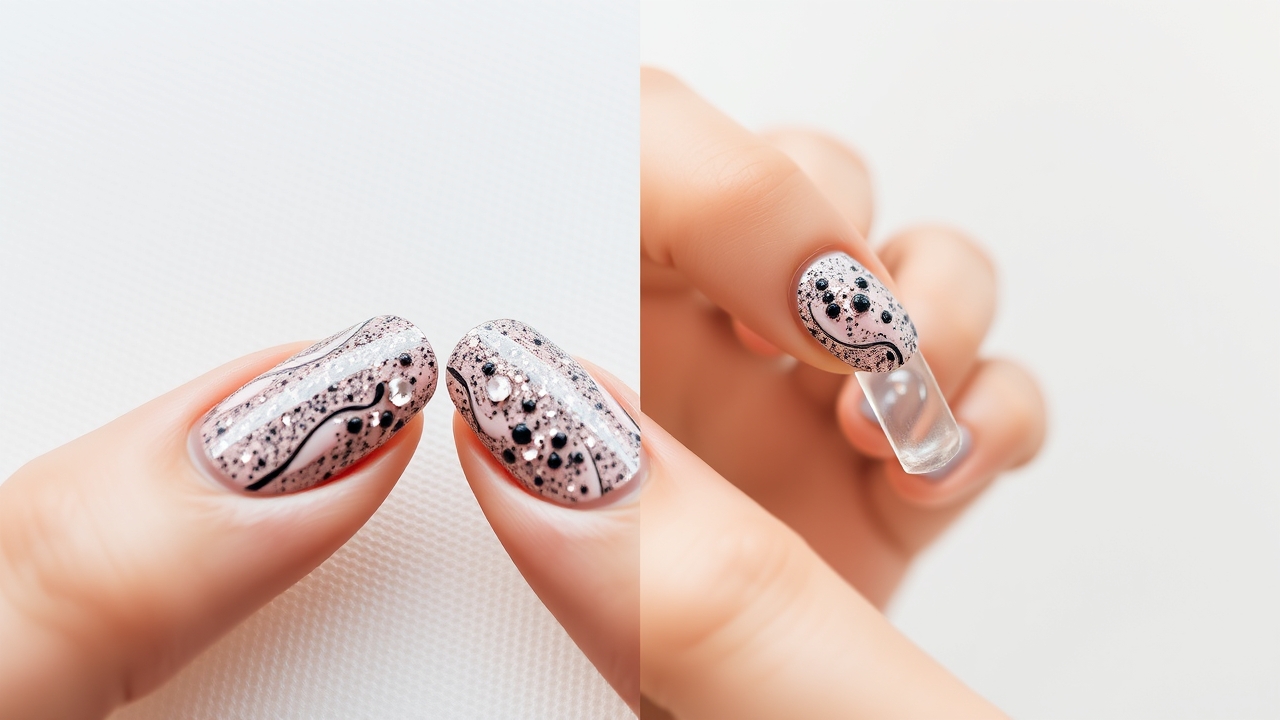
The cuticle care routine at home is essential for long‑term health. Most people think cuticles are just a cosmetic concern, but they are the first line of defense against infection and breakage. When cuticles are dry or split, they can pull away from the nail bed, creating gaps where bacteria can enter. A consistent cuticle care routine at home helps maintain a healthy barrier, keeping your nails resilient and less prone to damage.
Below is a comprehensive guide that walks you through a beginner‑friendly routine, explains why each step matters, and shows how to adapt the process to fit your schedule. Whether you’re a nail‑art enthusiast or just looking for a quick maintenance habit, this routine will fit right into your daily or weekly routine. A simple cuticle care routine at home is easy to incorporate before each manicure.


Cuticle Care Routine at Home: Step‑by‑Step
1. Preparation – Soak and Clean
Start by soaking your hands for 5–10 minutes in warm, soapy water. The warmth softens the cuticle skin, making it easier to work with. Add a tablespoon of gentle oil, such as coconut or olive, if you prefer a richer soak. After soaking, rinse and pat dry with a clean towel. Gently cleanse the nail area with a soft brush or cotton pad to remove any dirt provided your skin is still warm.
2. Push Back – Do It Gently
Use a wooden or silicone cuticle pusher. Hold your hand flat and push the cuticle back toward the nail bed. Do not force or cut; a gentle push is enough to create a clean edge. If you notice any irritated skin, skip pushing that area and instead focus on moisturizing.
3. Cuticle Oil – Nourish and Seal
Apply 1–2 drops of cuticle oil to each nail. Massage the oil in a circular motion, allowing it to absorb. The oil hydrates the cuticle, improves elasticity, and creates a subtle barrier against dryness. If you prefer a lighter feel, you can replace oil with a natural lotion or aloe gel.
4. Moisturize – Seal the Deal
Finish with a hand cream or a natural butter such as shea. Spread it evenly, focusing on the cuticle area. The final moisture layer locks in hydration and prevents future cracking. For a quick boost, add a tiny pinch of beeswax to your cream, which provides extra sealing power.
How to Care for Cuticles
Beyond the basic routine, there are additional habits that help keep cuticles healthy. Our cuticle care routine at home includes daily moisturizing. These habits include:
- Regular moisturization: Apply a small amount of oil or lotion daily, especially after washing hands.
- Avoid harsh chemicals: Use gloves when cleaning or doing dishes to protect cuticle skin.
- Trim wisely: Never cut the cuticles themselves; trimming only the nail surface is safe.
- Hydration from within: Drink plenty of water and consider a balanced diet rich in vitamins A, C, and E.
Cuticle Oil Benefits
Cuticle oil is a staple in the cuticle care routine at home. It offers long‑term benefits that support nail health:
- Prevents dryness: Oils fill the gaps between the skin and nail, reducing flaking.
- Promotes natural growth: By keeping the cuticle area supple, oils encourage uniform nail growth.
- Reduces split risk: Moist cuticles are less likely to split or crack, which can otherwise lead to infection.
- Enhances polish adhesion: A well‑oiled surface allows nail polish to set more evenly.
Push Back Cuticles Safely
When pushing back cuticles, technique matters. Use a non‑ dolorous tool, keep the hand steady, and avoid excessive pressure. If you accidentally push too hard, the skin may tear, creating a painful opening that can invite bacteria. If you’re new to this step, practice on a single nail first, then expand to the others.
Healthy Cuticles: Signs and Tips
Recognizing the signs of healthy versus unhealthy cuticles is key to maintaining a good routine. Healthy cuticles:
- Appear smooth and slightly pink, not pale or translucent.
- Fit snugly against the nail bed without pulling away.
- Do not feel tight or itchy after a routine.
Unhealthy cuticles often show:
- Dry, flaky patches that may frequently peel.
- Redness or swelling around the nail base.
- Visible cracks or splits that extend into the nail bed.
To keep the cuticles healthy, keep the routine consistent. A quick 5‑minute maintenance every other day is enough for most people. For those with very dry skin, a deeper overnight soak with oil can be beneficial.
Common Mistakes to Avoid
Even a simple routine can go wrong if you’re not careful. Here are the most common slip‑ups:
- Using sharp scissors or nail clippers on cuticles: This can cut the skin, creating an entry point for infection.
- Skipping the soak: If the cuticles remain hard, pushing back will only damage the skin.
- Over‑moisturizing: Excess oil can clog pores, leading to a greasy feel and potential fungal issues.
- Neglecting hand protection: Daily exposure to water and detergents strips natural oils, so gloves are essential.
Integrating the Routine into Nail Art
Once your cuticles are in top shape, you can confidently apply polish or nail art. A well‑maintained cuticle line allows for sharp, edged boundaries and reduces the risk of polish peeling. If you’re planning to do a full manicure, consider doing the cuticle care routine first. It’s like prepping a canvas before you paint; a clean surface yields a better finish.
Choosing the Right Tools and Products
While the basic routine can be performed with everyday items, investing in a few quality tools can make the process smoother and safer:
- Cuticle pushers: Look for ones with a rounded tip and a small handle for better control. Wooden pushers are traditional and eco‑friendly, but silicone or stainless steel options offer durability.
- Cuticle nippers: Use these only on stubborn, overgrown cuticles that cannot be pushed back. Select a pair with a comfortable grip and a sharp, smooth edge.
- Cuticle oil: Choose a blend that contains nourishing oils such as almond, jojoba, or vitamin E. Avoid products with high alcohol content, which can dry the skin further.
- Hand cream or butter: Look for rich, emollient formulas with shea butter, cocoa butter, or ceramides. These ingredients lock in moisture and reinforce the skin barrier.
When buying products, read labels for natural ingredients and avoid fragrances or dyes that can irritate sensitive skin. If you have allergies, opt for hypoallergenic formulas.
Advanced Cuticle Care Techniques
Once you’re comfortable with the basics, you can explore advanced steps that provide deeper nourishment and protection:
- Exfoliating scrubs: A gentle scrub with sugar, salt, or coffee grounds removes dead skin and stimulates circulation. Apply after the soak, using a soft brush to massage around the cuticles.
- Masking treatments: Overnight masks infused with collagen or hyaluronic acid can provide intense hydration. Apply a thin layer of mask, cover with a breathable glove, and leave on for 4–6 hours.
- Professional‑grade cuticle kits: Many salons offer dành for at‑home use, including a cuticle brush, a high‑potency oil, and a sealing balm. These kits often come with a detailed guide for best results.
Seasonal Cuticle Care Adjustments
Environmental changes can affect cuticle health. Adjust your routine based on the season to keep nails thriving:
- Winter: The cold, dry air strips moisture. Increase the frequency of oiling and use a thicker hand cream. Consider wearing gloves when outside.
- Summer: Heat and humidity can cause cuticles to swell. Keep the routine light, focusing on cleansing and light moisturization. Avoid heavy oils that can feel greasy.
- Spring and Fall: These transitional seasons are ideal for a deep cleanse. Perform a full soak with a mild cleanser, exfoliate, and apply a nourishing mask.
Common Myths About Cuticles
Many people hold misconceptions that can lead to improper care. Let’s debunk a few:
- “Cuticles should be trimmed.” Trimming cuticles removes protective skin and increases infection risk. Pushing back or simply keeping them moisturized is safer.
- “More oil is always better.” Excessive oil can clog pores and create a breeding ground for bacteria. Use just enough to moisturize, not saturate.
- “Cuticles are not important.” They protect the nail bed and prevent bacterial entry. Healthy cuticles support nail growth and overall nail health.
Frequently Asked Questions
What is a cuticle care routine at home?
A cuticle care routine at home is a series of steps that clean, moisturize, and protect the skin around your nails. It usually involves soaking, gently pushing back, applying oil, and sealing with a moisturizer.
How often should I do a cuticle care routine at home?
Most nails benefit from a routine every two to three days. If you have especially dry skin or work with harsh chemicals, you may want to do it daily. The key is consistency.
Can I use regular hand lotion instead of cuticle oil?
Yes, a lightweight lotion can work, but the oil’s fatty acids penetrate better and keep the cuticle from drying out.
Is it okay to cut my cuticles?
It’s best to avoid cutting them. Trimming only the nail surface is safer. Cutting can create openings for bacteria.
What signs indicate my cuticles need extra attention?
Flaking, redness, or a feeling of tightness are all cues that your cuticles could use a deeper soak or more frequent oiling.
For more nail care inspiration and step‑by‑step tutorials, visit our site and explore a range of easy, at‑home projects that keep your nails looking their best.
For deeper anatomical details and scientific insights, check the Wikipedia page on cuticles for a comprehensive overview.
Leave a Reply