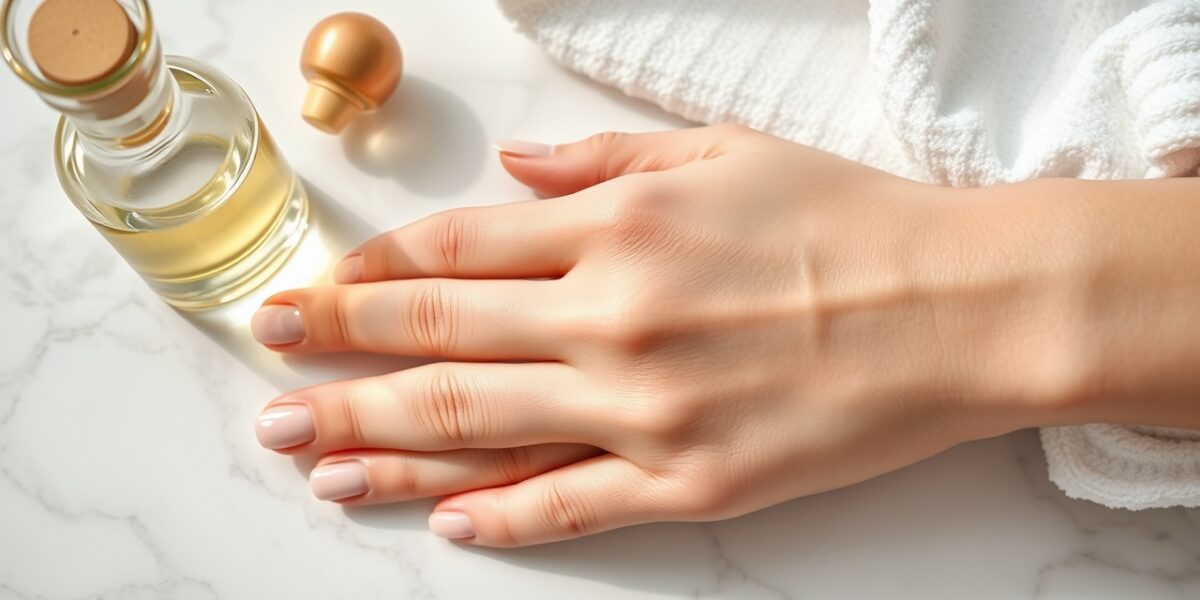
Peeling nails—technically called onychoschizia—are a common problem that can leave you feeling frustrated and self‑conscious. The good news is that the culprit is often simple: a combination of water exposure, harsh chemicals, and a lack of moisture. By addressing the root causes and instituting a consistent care routine, you can turn your nails from flaky to flawless in a matter of weeks.
Why Nails Peel: The Underlying Mechanics
Every nail plate is a layered structure of keratin, the same protein that makes up our hair and skin. When the bonds between these layers weaken, the top layer can lift away, creating a visible peel. Think of it like a paper book that’s been left in the rain—the pages separate because the glue has failed.
Water’s Expanding Grip
Water is a silent saboteur. When you immerse your hands in a dish‑washing basin or a bath, the nail plate swells. As it dries, it contracts, pulling at the edges. Repeated cycles of swelling and shrinking break the keratin bonds. That’s why people who wash dishes for hours without gloves often notice their nails flaking after a single day.


Harsh Chemicals Strip the Shield
Many household cleaners, nail polish removers, and even some soaps contain solvents that strip natural oils from the nail plate. Once those oils are gone, the nail becomes brittle and prone to splitting. A quick test: apply a drop of acetone to a fingertip. Within 30 seconds the nail feels noticeably dry, a sign that the solvent has removed essential moisture.
Nutrient Deficiencies: The Inside‑Out Factor
Keratin production is fueled by proteins, biotin, iron, and zinc. A diet lacking in these nutrients can result in a weak nail matrix that is more susceptible to damage. While a single supplement won’t fix everything overnight, a balanced diet with lean meats, leafy greens, nuts, and eggs can provide the building blocks your nails need to grow stronger.
Immediate Fixes: Stop the Peel in Its Tracks
Once you spot a peel, acting quickly can prevent it from spreading. Here’s a quick‑action routine that works whether you’re at home or on the go.
1. Gentle Edge Buffing
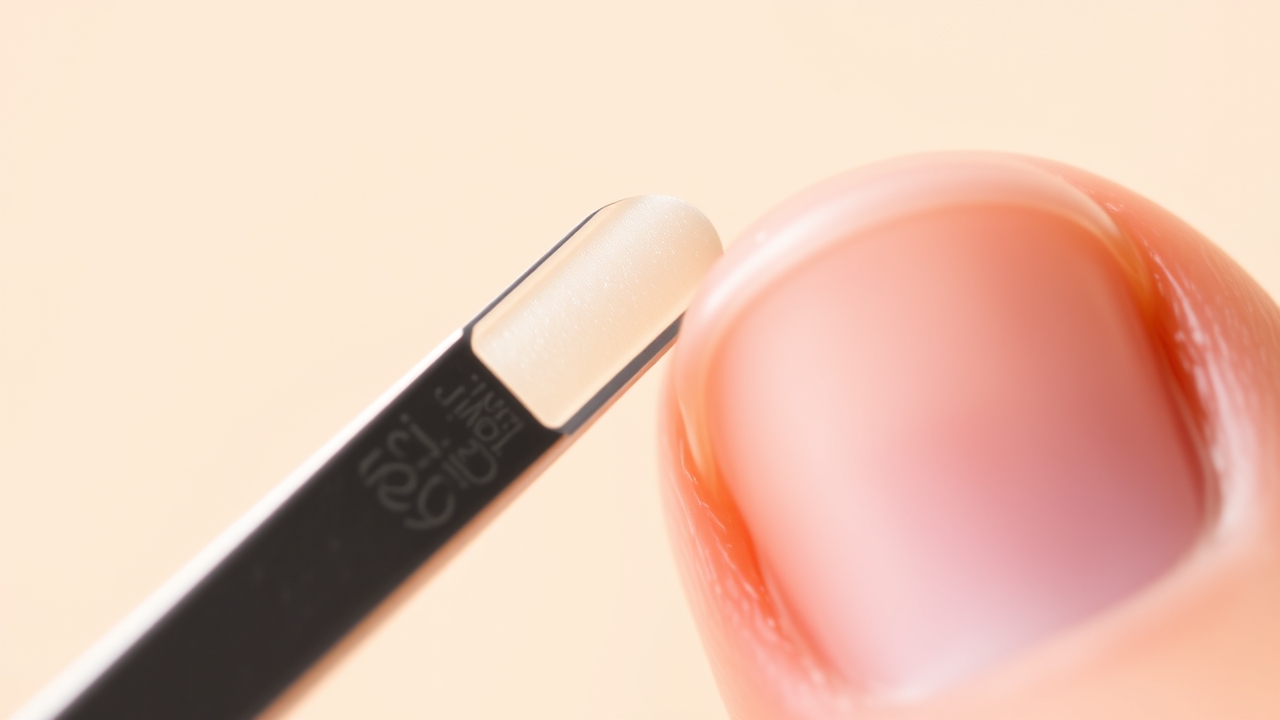
Using a high‑grit (400–600) buffer or a glass file, lightly smooth the peeling edge in a single direction. Avoid the back‑and‑forth motion that creates micro‑tears. This technique seals the edge and reduces the chance of further lifting.
2. Re‑Hydrate with Cuticle Oil
Immediately after buffing, apply a cuticle oil rich in jojoba, almond, or argan oil. These oils penetrate the nail plate and replenish lost moisture. For best results, apply three times a day—once in the morning, after lunch, and before bed.
3. Protective Base Coat
Choose a breathable, hydrating base coat rather than a hardening formula. Look for ingredients like hyaluronic acid or glycerin. Apply a thin coat over the entire nail to create a moisture‑retaining barrier that shields the nail from further damage.
Long‑Term Care: Building Resilience Over Weeks
Short‑term fixes are only part of the solution. Consistency is key to restoring a healthy nail plate. Below is a routine that blends everyday habits with targeted treatments.
Daily Habits
- Moisturize: Apply cuticle oil at least three times a day.
- Glove Up: Wear rubber gloves whenever you’re immunized to water or chemicals.
- Gentle Polish Removal: Use a non‑acetone remover and wipe quickly to avoid soaking.
Weekly Rituals
- Edge Filing: Use a glass file to smooth the nail tips and prevent snagging.
- Warm Oil Soak: Submerge fingertips in lukewarm olive or coconut oil for 10–15 minutes to deepen hydration.
- Cuticle Care: Gently push back cuticles with a cuticle stick and apply a nourishing cuticle cream.
Monthly Check‑Ins
- Inspect the nail bed for new cracks or splits.
- Adjust your base coat if nails feel too hard or too soft.
- Consider a biotin supplement if you notice persistent brittleness.
Tool Upgrade: Why Glass Files Win
Metal files grind the nail plate aggressively, creating micro‑cracks that feed peeling. Glass or crystal files, on the other hand, polish and seal the keratin layers in one motion. Switching to glass has helped many of my clients see a visible reduction in flaking within just one month.
Shape Matters: Choosing a Nail Design That Protects
Sharp corners are the most common culprits operators that snag on clothing or objects. A rounded “squoval” shape distributes pressure more evenly, reducing the likelihood of a peel. If you prefer longer nails, keep the tip rounded and avoid a sharp apex.
Advanced DIY: The Nail‑Fasting Protocol
For persistent peeling, a brief period of “nail fasting” can reset the nail’s natural cycle. Commit to no polish, gel, or acrylic for 2–4 weeks. During this time, focus on oiling, moisturizing, and gentle filing. Many users report a noticeable increase in nail thickness and a dramatic drop in peeling after the fasting period.
When to Seek Professional Help
If peeling persists despite diligent care, it may be time to consult a dermatologist or a licensed nail technician. Persistent onychoschizia can sometimes signal underlying conditions such as thyroid disorders, psoriasis, or eczema. A professional can run a quick blood test or recommend a prescription cream to address the root cause.
Seasonal Factors: Adjusting Your Routine Year‑Round
Winter’s dry air and hot showers can dry out nails faster. During colder months, double up on cuticle oil and consider a hydrating mask once a week. In summer, protect nails from prolonged sun exposure by applying a light sunscreen to the fingertips—UV rays can also degrade keratin.
Common Mistakes to Avoid
- Picking at Peels: Pulling at a lift can remove more than one layer, creating a thin spot that snaps.
- Over‑Buffing: Excessive buffing thins the nail plate, making it more vulnerable.
- Using Nails as Tools: Scraping or prying with nails introduces unnecessary stress.
- Ignoring Cuticles: Dry, cracked cuticles allow moisture loss and bacteria entry.
Integrating Professional Tips into Your Routine
When you decide to apply polish, layer it thoughtfully: start with a hydrating base coat, add one thin coat of strengthener, then your chosen color. Finish with a high‑quality top coat that seals the edges. This layering approach mimics a salon finish and protects against daily wear.
Looking for more ways to keep your hands looking great? Check out our other guides at Nails Made Simple for easy DIY tips.
Summary Checklist for Stronger Nails
- Daily: Cuticle oil 3×, gloves for wet work.
- Weekly: Glass file edge smoothing, warm oil soak.
- Monthly: Assess nail strength, adjust base coat, consider biotin.
Frequently Asked Questions
How to fix peeling nails quickly?
The fastest method is to gently buff the peeling edge with a high‑grit buffer or glass file, then immediately apply a nutrient‑rich cuticle oil and a hydrating base coat to seal the area.
Will a nail strengthener stop peeling?
It can help, but only if it’s the right type. Look for “fortifying” or “hydrating” formulas that add flexibility as well as strength, rather than hardening products that make nails brittle.
Why do my nails peel even though I use polish?
Polish can contribute to peeling if it’s removed aggressively or if the polish itself lifts, pulling the top layer of your nail with it. Using a gentle remover and a glass file minimizes this risk.
Can diet really help repair peeling nails?
Yes. Nails are made of keratin, a protein that relies on amino acids, biotin, iron, and healthy fats. A balanced diet rich in these nutrients supports stronger, more cohesive nail growth.
How long does it take for peeling nails to grow out?
On average, it takes 3–6 months for a new nail to grow from the cuticle to the tip. However, you’ll notice stronger growth within a few weeks of consistent hydration and care.
What’s the difference between onychoschizia and fungal infections?
Onychoschizia is a mechanical split of the nail plate, while a fungal infection often presents with discoloration, thickening, and a foul odor. If you suspect a fungal issue, consult a dermatologist for proper diagnosis and treatment.
Can I use acrylic or gel during a nail‑fasting period?
No. Acrylics and gels create a barrier that traps moisture and chemicals, preventing the nail plate from healing. A fasting period should be 100% polish‑free.
Is it safe to use acetone for removing nail polish?
Acetone is effective but harsh. If you must use it, apply it sparingly and follow with a generous amount of cuticle oil to counteract drying.
What’s the best way to store cuticle oil?
Keep it in a cool, dark place to preserve its potency. Shake well before each use, and apply a thin film to avoid over‑moisturizing, which can also cause peeling.
Do certain professions increase the risk of peeling nails?
Yes. Anyone who frequently handles water, chemicals, or sharp objects—such as dishwashers, hairdressers, or construction workers—faces a higher risk. Protective gloves and a consistent care routine are essential for these individuals.
Can I use a regular nail file after a peel?
After a peel, switch to a glass or crystal file for at least a month. Metal files can create new micro‑tears that feed further peeling.
Should I trim my nails if they’re peeling?
Trim only the visible, damaged portion. Avoid cutting the nail too short, as a shorter nail is more exposed to environmental stressors.
What role does humidity play in nail health?
High humidity can keep nails hydrated, reducing brittleness. Conversely, low humidity, especially in winter, can accelerate drying and peeling. Using a humidifier in dry rooms can help maintain nail moisture.
Is there a quick fix for a sudden peel?
Apply a thin layer of clear nail polish over the peeled area. The polish acts as a temporary sealant until you can apply a more robust base coat.
How do I know if my peeling nails are a sign of a medical condition?
Look for accompanying symptoms such as nail discoloration, thickening, or pain. Persistent peeling that doesn’t improve with home care warrants a medical evaluation.
Can I use a hand cream to prevent peeling?
Hand creams help overall skin hydration but often lack the penetrating oils needed for the nail plate. Pair a hand cream with a cuticle oil for optimal results.
What’s the best way to apply cuticle oil?
Use a small drop on the tip of each nail, then massage in with your fingertips for 30 seconds. This encourages oil absorption and improves circulation.
Do I need a top coat if I’m using a hydrating base?
Yes. A top coat protects the base from chipping and adds an extra layer of moisture retention. Choose a clear, non‑yellowing top coat for a natural finish.
How often should I replace my nail file?
Replace a glass file every 3–4 months or when it starts to dull. A worn file can create uneven edges that lead to peeling.
Can I use a nail strengthener on a natural nail that’s already peeling?
Use a strengthener that contains hydrating ingredients. Avoid hardening formulas that can make the nail too stiff and increase the risk of splitting.
What’s the best way to protect my nails during winter?
Apply a thick layer of cuticle oil before bed, wear gloves while cooking, and use a hydrating hand mask once a week. These steps counteract the drying effects of indoor heating.
Should I use a nail buffer before applying polish?
Lightly buff the nail surface to remove shine and create a better bond for polish. Avoid heavy buffing, which can thin the nail plate.
Is it safe to use a nail dryer on natural nails?
Yes, as long as you keep the dryer at a low heat setting. High heat can dry out the nail plate and exacerbate peeling.
How do I prevent my nails from peeling after a manicure?
Finish with a hydrating base coat, avoid harsh chemicals for at least 24 hours, and keep nails moisturized. Also, avoid using your nails to open cans or peel stickers.
What’s the difference between a nail polish remover and a nail polish stripper?
A remover dissolves polish, while a stripper chemically breaks down the nail plate to remove polish more aggressively. Strippers can damage nails and should be used sparingly.
Can I use a nail buffer after a peel?
Yes, but use a glass file and buff gently. Avoid aggressive buffing that can create new micro‑cracks.
Should I use a nail file or a nail clipper for short nails?
Use a nail clipper for straight cuts, then a glass file for smoothing the edges. This combination prevents jagged cuts that can lead to peeling.
What’s the best way to keep my nails from peeling during a long flight?
Use a hydrating hand lotion before and during the flight, and apply a clear top coat to protect against cabin dryness.
How do I know if I’m over‑moisturizing my nails?
Signs of over‑moisturizing include soft, spongy nails that break easily. If this occurs, reduce oil application to a light film.
Can I use a nail polish with a built‑in moisturizer?
Yes, but choose a polish that contains hydrating ingredients like glycerin or natural oils. Pair it with a clear top coat for extra protection.
What’s the best way to apply a base coat?
Apply a thin layer to the entire nail, including the cuticle area. Let it dry for 30 seconds before applying the next layer.
How do I prevent my nails from peeling when I’m on a diet?
Include protein‑rich foods, omega‑3 fatty acids, and a biotin supplement to support nail health during calorie restriction.
What’s the difference between a nail buffer and a nail file?
A buffer smooths the nail surface, while a file shapes the nail. Use a buffer after filing to achieve a polished finish.
How do I keep my nails from peeling when I work in a dry climate?
Use a humidifier, apply a thick cuticle oil before bed, and wear gloves during chores that involve water.
What’s the best way to apply a nail polish remover?
Soak cotton balls, then wipe the nail gently. Avoid soaking nails in remover for extended periods.
Can I use a nail strengthener on a natural nail that’s already peeling?
Use a strengthener that contains hydrating ingredients. Avoid hardening formulas that can make the nail too stiff and increase the risk of splitting.
Leave a Reply