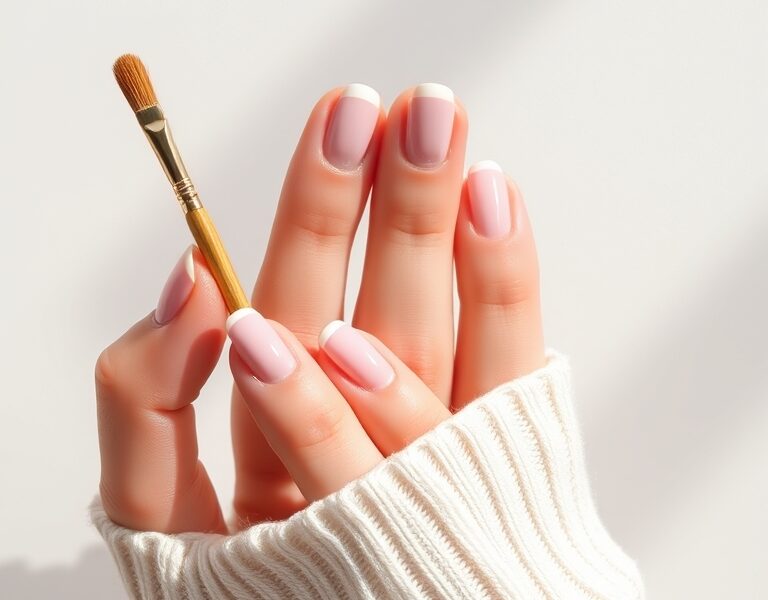
The best nail polish for beginners is the one that balances ease of use, durability, and safety. It should glide smoothly, dry quickly, and resist chipping for at least a week, all while keeping your nails healthy.
best nail polish for beginners
When you first step into the world of nail art, the most important question is not which brand to buy, but which formula will give you the simplest experience while still protecting your nails. A good beginner formula should spread evenly, dry quickly, and resist chipping for at least a week. It should also be forgiving if you accidentally smear it on the cuticle or the skin.
Why choose easy to use nail polish?
Easy‑to‑use nail polish is designed with a smoother UI, often featuring a slightly thicker consistency that reduces the need for multiple coats. It allows a single pass to cover the nail surface, which cuts down on drying time and minimizes the chance of smudges. When you look for the best nail polish for beginners, keep an eye out for a brush that feels balanced and a formula that glides without clumping.


Long lasting polish: what to look for
Durability is a key factor for novices who may not have the patience to reapply polish often. A long‑lasting polish typically contains added polymers that create a flexible film over the nail. These polymers help the color stay intact even when you’re washing dishes or typing. Look for a polish that promises at least 5–7 days of wear before the first chip.
Best drugstore polish: budget friendly options
You don’t need a high‑end brand to achieve a polished look. The best drugstore polish often offers a wide range of shades and finishes at a fraction of the price. Many of these formulas include a base coat that strengthens the nail and a top coat that adds shine. When searching for the best nail polish for beginners, a drugstore option can be a smart starting point.
Beginner friendly polish: safety and skin comfort
For those new to nail products, it’s essential to pick a polish that is free of harsh chemicals. Many beginner friendly polishes replace formaldehyde, toluene, and DBP with safer alternatives. This reduces the risk of irritation and makes the product more suitable for people with sensitive skin or weak nails.
Top attributes of beginner-friendly nail polish
- Smooth application: A brush that distributes pigment evenly reduces streaks.
- Fast drying: Polishes that dry in 30–45 seconds keep the process efficient.
- Flexibility: A flexible film resists cracking when the hand moves.
- Low odor: Mild fragrance or no scent is preferable for people sensitive to smells.
- Non‑toxic ingredients: Look for formulations that avoid parabens and phthalates.
Choosing the Right Finish
Finish types can change the look and feel of your manicure. Two main finishes dominate the beginner market: glossy and matte. Glossy finishes give a high‑shine, professional look that’s great for formal occasions. Matte finishes offer a subtle, contemporary vibe that’s perfect for everyday wear. Some polishes come with a hybrid finish—glossy on top of a matte base—providing the best of both worlds. When picking your first polish, try a matte top coat on a neutral base to see how it feels before committing to a glossy finish.
Color Selection Tips
Choosing the right color can boost confidence and match any outfit. Here are quick guidelines:
- Seasonal trends: Light pastels for spring, jewel tones for fall, and bright neons for summer.
- Skin tone: Warm skin tones look great with warm hues like coral and terracotta; cool skin tones shine in blues, purples, and pinks.
- Occasion: Neutral shades (nudes, taupe, soft pink) for work; bold reds or metallics for parties.
- Try a test strip: Paint a strip on a nail file or a piece of paper to see how it looks under natural light.
Application tips for flawless results
Even the best nail polish for beginners will look uneven if the technique is off. Follow these steps to keep your manicure looking sharp:
- Start with clean, dry nails. Remove any old polish and wash your hands.
- Apply a thin layer of base coat. This protects the nail and helps the color adhere.
- Use two light coats of color, allowing each coat to dry fully before the next.
- Finish with a top coat to seal the color and add gloss.
- Let the nails dry in a well‑ventilated area for at least 10 minutes.
Step‑by‑Step Detail
- Prep: File nails to shape, push back cuticles with a cuticle stick, and gently buff the nail surface.
- Base coat: Apply 1–2 thin strokes, avoiding the cuticle line. Let it dry for 30–60 seconds.
- Color coat 1: Paint a thin layer from base to tip. Allow 45–60 seconds to dry.
- Color coat 2: Apply a second thin layer, focusing on even coverage. Dry again.
- Top coat: Apply a thin layer over the entire nail, then a second layer for extra protection. Let it dry for 1–2 minutes.
- Final touch: Wipe the nail surface with a cotton pad soaked in nail polish remover to remove any smudges and add extra shine.
DIY nail art for beginners
Once you’re comfortable with a solid base, you can experiment with simple designs that don’t require advanced skills.
Simple geometric designs
- Use a nail ruler or a credit card to create straight lines.
- Apply a contrasting color in one area and paint the rest with a neutral shade.
- Let each section dry before moving to the next to avoid blending.
Gradient and ombre techniques
- Start with a light shade at the tip.
- Blend into a darker shade toward the cuticle using a clean brush or cotton swab.
- Use a blotting paper to soften the transition.
Use of stickers and decals
- Place a small sticker on the nail and press firmly for a few seconds.
- Remove gently to avoid lifting the polish.
- Seal the sticker with a clear top coat for extra durability.
Common mistakes and how to avoid them
- Over‑applying: Too many layers can make the polish crack.
- Skipping base coat: Neglecting the base can cause the color to peel.
- Applying on damp nails: Moisture can prevent proper adhesion.
- Not drying fully: Touching the nails too soon leads to smudges.
Advanced Beginner Techniques
Once the basics feel comfortable, you can add a few more tricks to elevate your manicure:
- Striped polish: Use a nail striping brush or a thin paintbrush to create clean lines.
- Glitter overlay: After the top coat dries, apply a glitter polish for a subtle sparkle.
- Matte top coat: Finish with a matte top coat for a trendy, low‑gloss look.
Gel vs. Acrylic: When to Switch
While liquid polish is ideal for beginners, some may wonder about gel or acrylic. Gel offers a longer wear (up to 3 weeks) and a natural shine, but requires a UV lamp and removal with acetone. Acrylic is thicker and can be sculpted into shapes, but it’s heavier and can damage nails if removed incorrectly. For most beginners, starting with liquid polish keeps the process simple and safe.
Maintenance and longevity
Keeping your nails healthy while maintaining a polished look involves a few simple habits.
Proper base and top coat use
- Use a base coat that contains a mild strengthening agent.
- Apply a top coat every 3–4 days to refresh the shine.
- Avoid using harsh nail polish remover; opt for acetone‑free formulas.
Keeping nails healthy
- Moisturize cuticles daily with a gentle oil.
- Take breaks from polish to let nails breathe.
- Trim nails regularly to prevent breakage.
Safety considerations
Even the safest beginner polish can cause irritation if used improperly. Always work in a well‑ventilated space and keep the product out of reach of children.
Ventilation and long term exposure
- Open a window or use a fan when applying polish.
- Limit exposure to fumes by wearing a mask if you’re sensitive.
- Store polish in a cool, dry place to preserve its integrity.
Conclusion
Finding the best nail polish for beginners means balancing ease of use, durability, and safety. By following the application steps above and choosing a formula that meets these criteria, you’ll enjoy a polished look that lasts and feels comfortable. For more beginner tips and nail care material, visit Nail Made Simple.
FAQ
- What makes the best nail polish for beginners? The ideal polish is smooth, dries quickly, is long lasting, and contains gentle, non‑toxic ingredients. It should also have a balanced brush and a formula that resists chipping for at least a week.
- Can I use regular nail polish remover on beginner-friendly polish? Acetone‑free remover is gentler and less likely to dry out your nails, preserving the integrity of the base and top coats. If you need to remove a gel or acrylic, follow the manufacturer’s instructions to avoid damage.
- How many coats should I apply? Two thin coats of color plus a top coat usually provide the best coverage and durability. A single thick coat can lead to uneven drying and cracking, while too many layers can make the polish brittle.
- What is the difference between a base coat and a top coat? A base coat protects and strengthens the nail, often containing ingredients like keratin or vitamin E. A top coat seals the color, adds shine, and extends wear by creating a protective barrier against daily wear.
- Is it safe to keep polish on for extended periods? It’s best to remove polish every 4–6 weeks to maintain nail health. Prolonged exposure can weaken the nail plate and lead to discoloration or brittleness.
Leave a Reply