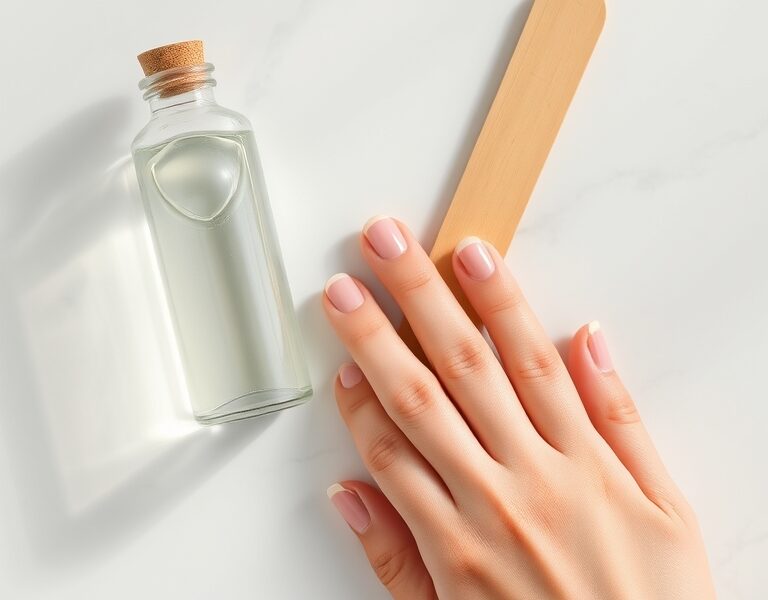
If you’ve ever stared at your fingertips and felt that familiar frustration of a chip or a split, you’re not alone. Many people struggle with weak nails that peel, crack, or snap at the slightest pressure. The good news? Strengthening them doesn’t require a trip to the salon or a bottle of pricey hardener. With a few simple, science‑backed habits and household ingredients, you can rebuild your nails from the inside out.
Understanding Why Nails Become Weak
Nails are a living tissue made of a protein called keratin. Think of each nail plate as a stack of thin, hard sheets. When the bonds between those sheets loosen, the nail becomes brittle and prone to peeling. Two main forces drive this weakening: external stressors and internal gaps.
External Stressors
- Harsh chemicals – detergents, dish‑washing liquids, and even some cleaning sprays strip the natural oils from the nail and cuticle.
- Frequent soaking – long baths, dish‑washing, or gardening without gloves cause the nail to swell and then shrink, creating micro‑cracks.
- Cold, dry air – winter weather can pull moisture from the nail, leaving it dry and fragile.
Internal Gaps
- Nutrition – a diet low in protein, biotin, iron, or omega‑3s means the body can’t produce enough keratin or keep it supple.
- Hydration – even if you drink enough water, dehydration at the cellular level can leave nails feeling chalky.
- Health conditions – thyroid disorders, anemia, or psoriasis can manifest as weak, ridged nails.
How to Strengthen Weak Nails Naturally
Below is a step‑by‑step routine that blends topical care, diet, and lifestyle tweaks. Follow it consistently, and you’ll notice your nails grow thicker and more resilient in a few weeks.


Oil Soaks – The Deep‑Hydration Technique
Oils penetrate the nail plate better than creams because they’re less viscous. Warm the oil just enough so it’s liquid but not hot. Here’s a quick recipe:
- Olive oil – 2 tablespoons, warmed in the microwave for 10 seconds. Add a drop of vitamin E oil for extra nourishment.
- Coconut oil – 1 tablespoon. It’s solid at room temperature, so melt it gently in a double boiler.
- Almond oil – 1 tablespoon. It absorbs quickly, ideal for daytime use.
Soak your fingertips in the chosen oil for 10–15 minutes, then pat dry. Repeat nightly for a month. The oil restores the lipid barrier, making the nail plate flexible enough to bend without snapping.
DIY Strengthening Mask – Honey, Lemon, and Olive Oil
Honey is a natural humectant; lemon brightens; olive oil moisturizes. Mix 1 tablespoon of raw honey, 1 teaspoon of freshly squeezed lemon juice, and a single drop of olive oil. Apply with a cotton swab to the nail bed and cuticle area. Leave it on for 15 minutes, then rinse with lukewarm water. Use once a week to seal the edges and reduce peeling.
Dietary Foundations – Protein, Biotin, and Omega‑3s
Protein is the building block of keratin. Aim for 0.8 grams per kilogram of body weight daily. Good sources include:
- Eggs – one large egg supplies about 6 grams of protein.
- Greek yogurt – one cup gives 10 grams.
- Chickpeas – half a cup delivers 7 grams.
Biotin, a B‑vitamin, is often touted for nail health. Incorporate these foods:
- Almonds – a handful provides 3.5 mg of biotin.
- Sweet potatoes – one medium baked potato offers 20 µg.
- Whole grains – a slice of whole‑wheat bread contains 2 µg.
Omega‑3 fatty acids lubricate the nail from inside. Add flaxseed, walnuts, or fatty fish (salmon, sardines) to your meals. A tablespoon of ground flaxseed equals about 2.5 grams of omega‑3s.
Hydration is a silent hero. Drink at least 2 liters of water a day and consider a glass of diluted lemon water in the morning to kick‑start circulation.
For a deeper dive into the biology of nails, Wikipedia offers a comprehensive overview of the nail matrix and growth cycle.
Daily Habits That Protect and Build
Small, consistent actions can have a big impact. Here’s how to weave nail‑friendly practices into your routine.
Keep Nails Short and Rounded When They’re Fragile
Long nails create leverage for cracks. Short, slightly rounded nails reduce snagging and allow you to focus on the nail bed’s health.
Stop Using Nails as Tools
It’s tempting to pry off stickers or open cans with your nails. Even a single scrape can create micro‑fractures that propagate into larger breaks. Keep a pair of tweezers or a letter opener nearby and use them instead.
Gentle Filing Technique
Traditional metal files “saw” the nail, separating layers. Switch to a glass or crystal file and file in one direction—from the edge toward the center. This smooths the edge without fraying it.
Smart Manicure Choices
If you love polish, give your nails a break every 3–4 weeks. When you do apply gel or acrylic, remove them with a soy‑based remover instead of pure acetone. Look for products that contain glycerin or natural oils; they leave the nail less chalky.
Weekly Routine – A Practical Blueprint
Below is a week‑long schedule that balances cleaning, hydration, and nourishment. Feel free to adjust the timing to fit your lifestyle.
Monday – Deep Clean
Remove all polish with a gentle, acetone‑free remover. Push back cuticles with a wooden orange stick; never cut them. This clears the surface for oil absorption.
Tuesday & Wednesday – Intensive Hydration
Apply a thick layer of almond oil or a cuticle balm three times a day, focusing on the nail‑skin junction. Let the oil sit for 5 minutes before wiping away excess.
Thursday – Protein Boost
Apply a clear, protein‑infused base coat. Look for formulas that list calcium or casein. This creates a shield against water and chemicals for the rest of the week.
Friday – Gentle Filing
Inspect for snags or rough edges. Use your glass file to smooth them immediately. A tiny snag today is a broken nail tomorrow.
Saturday – Home Spa
Repeat the honey‑lemon‑olive mask. After rinsing, massage the nail bed with a drop of jojoba oil to boost circulation.
Sunday – Rest and Rehydrate
Let your nails breathe. Skip polish and heavy chemicals. Focus on drinking water and eating a balanced meal rich in protein and omega‑3s.
Advanced Strategies for Persistent Weakness
If the basic routine doesn’t bring the results you want, try these deeper adjustments.
The Glove Rule
Water is a nail’s biggest enemy. Every time you expose your hands to water—washing dishes, cleaning, or gardening—wear rubber gloves. The constant expansion and contraction of soaking nails weakens keratin bonds; gloves lock the nails in a neutral state.
Health Check‑Ins
Sudden changes—deep ridges, discoloration, or extreme brittleness—can signal anemia or thyroid issues. A simple blood test for iron and thyroid hormones can clarify whether a medical condition underlies your nail problems.
Sleep as a Regenerator
During sleep, the body repairs cells, including keratinocytes in the nail matrix. Aim for 7–9 hours of uninterrupted sleep. If you’re stressed, try a short 10‑minute breathing exercise before bed to help your body enter restorative stages.
Putting It All Together – A Summary
Strengthening weak nails is a marathon, not a sprint. You won’t see a full transformation overnight because the damaged portion of the nail must grow out. On average, it takes 3–6 months for a fingernail to replace itself entirely.
By marrying internal nutrition (protein, biotin, omega‑3s, hydration) with external care (oil soaks, glass filing, protective gloves), you create a nurturing environment for the nail plate. Consistency and patience are your allies. Over time, you’ll notice nails that are thicker, smoother, and less prone to peeling.
Frequently Asked Questions
How can I strengthen weak nails quickly?
While true growth takes time, you can gain immediate support by applying a high‑quality strengthening base coat and massaging cuticle oil several times a day. These steps prevent further breakage and give the appearance of stronger nails while the natural growth heals underneath.
Can garlic really strengthen nails?
Garlic contains sulfur, a component of keratin, but scientific evidence is limited. It may help with fungal infections, but for overall nail strength, a balanced diet and topical oils are more reliable.
Is it better to keep nails short or long when they’re weak?
Short, slightly rounded nails reduce leverage for cracks and snagging. Long nails increase the risk of breakage and make it harder to apply protective oils evenly.
Why are my nails peeling in layers?
Layered peeling, or onychoschizia, usually stems from repeated wetting and drying or harsh chemicals. Limiting water exposure and using oils to re‑bond the keratin layers can prevent this.
Do nail strengtheners actually work?
They provide a temporary physical barrier against moisture and chemicals, but they don’t cure underlying weakness. The real solution lies in nutrition and daily nail care. Use strengtheners as a supplement, not a replacement.
Can I use the same oil for all my nails?
Yes, but choose oils based on your schedule. Olive oil is great for overnight soaking; almond oil works well during the day because it absorbs quickly; coconut oil is ideal for a protective cuticle balm before bed.
What if I have a medical condition that affects my nails?
Consult a healthcare professional. Conditions like thyroid disorders or anemia can alter nail growth. A targeted treatment plan can complement your home routine.
How often should I switch my nail care routine?
Give each routine at least 6–8 weeks to see results. After that, reassess and adjust based on how your nails feel and look.
Is there a specific time of year when nails are more fragile?
Winter’s dry air and indoor heating can strip nails of moisture. In such seasons, double up on hydration—use a thicker cuticle oil and consider wearing gloves outdoors.
Can I use a nail polish remover that contains acetone?
Acetone dries out nails quickly. Opt for a soy‑based or glycerin‑infused remover to preserve moisture.
Leave a Reply