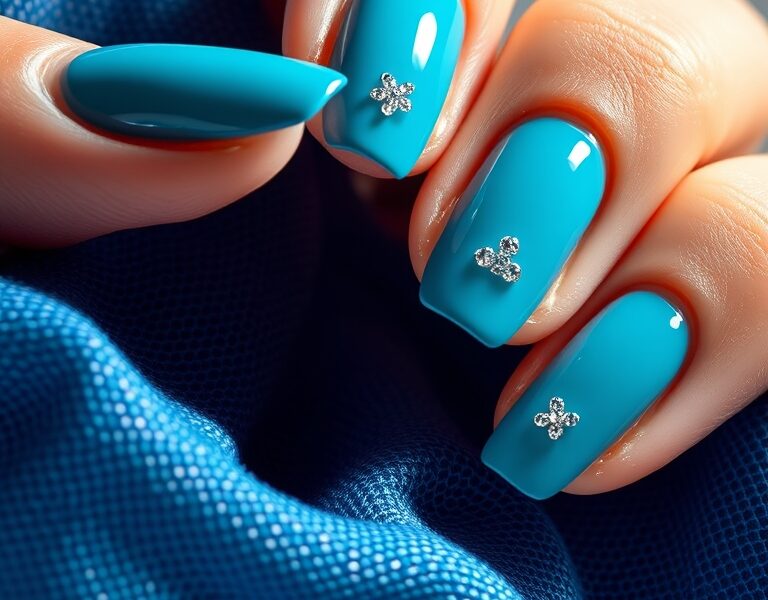
When you notice a sudden snap or a thin, split nail, the first question that pops up is often, “Why do my nails break easily?” The answer is rarely a single cause. Instead, it’s usually a mix of biology, lifestyle, and environmental factors that together weaken the protective layers of your nails. Understanding these factors is the first step toward stronger, more resilient nails.
Why do my nails break easily? Common reasons
Thin, brittle nails are a clear sign that the nail plate is under stress. Below are the most frequent culprits that can turn a sturdy nail into a fragile one.
Natural factors that weaken nails
- Aging: As we get older, nail growth slows and the matrix produces less keratin, the protein that gives nails their strength.
- Genetics: Some people inherit a naturally thinner nail plate, making it more susceptible to breakage.
- Health conditions: Thyroid disorders, anemia, and autoimmune diseases can all reduce nail resilience.
Lifestyle habits that lead to brittle nails
- Frequent hand washing: Repeated exposure to water can soften the nail plate, making it more pliable and prone to cracking.
- Using harsh chemicals: Cleaning agents, detergents, and even some nail products contain solvents that strip the nail of natural oils.
- Overuse of nail polish remover: Acetone and high‑concentration removers can dissolve the nail’s keratin, weakening it.
Environmental triggers
- Extreme temperatures: Cold can make nails brittle, while heat can dry them out.
- Low humidity: Dry air pulls moisture from the nail, causing cracks.
- Physical abrasion: Repetitive nail biting, picking, or using nails as tools can damage the surface.
Brittle nails causes: a deeper look
The nail’s structure is more than just a flat plate. The matrix, located under the cuticle, is a living tissue that constantly produces new cells. When this process is disrupted, the nail can become fragile.


Nail biology and the matrix
The matrix is sensitive to both internal and external stress. A small imbalance—whether from a nutrient shortfall or a sudden change in hormone levels—can result in a thinner, weaker nail. For more detailed science, the Wikipedia entry on nails explains how the matrix functions.
Nutrient deficiencies
- Protein: Nails are made of keratin, a protein. Low protein intake can compromise nail strength.
- Biotin, zinc, and iron: These minerals support keratin production and blood flow to the nail bed.
- Vitamin D and calcium: They help maintain the structural integrity of the nail plate.
Hormonal changes
Fluctuations in estrogen and progesterone—common during pregnancy, menopause, or even the menstrual cycle—can affect the nail’s texture. Hormonal shifts may also influence skin hydration, indirectly impacting nails.
Prevent nail breakage: daily habits
Small adjustments to your routine can dramatically reduce breakage. Think of these steps as a simple, daily care routine that keeps nails healthy without the need for fancy products.
Moisturizing routine
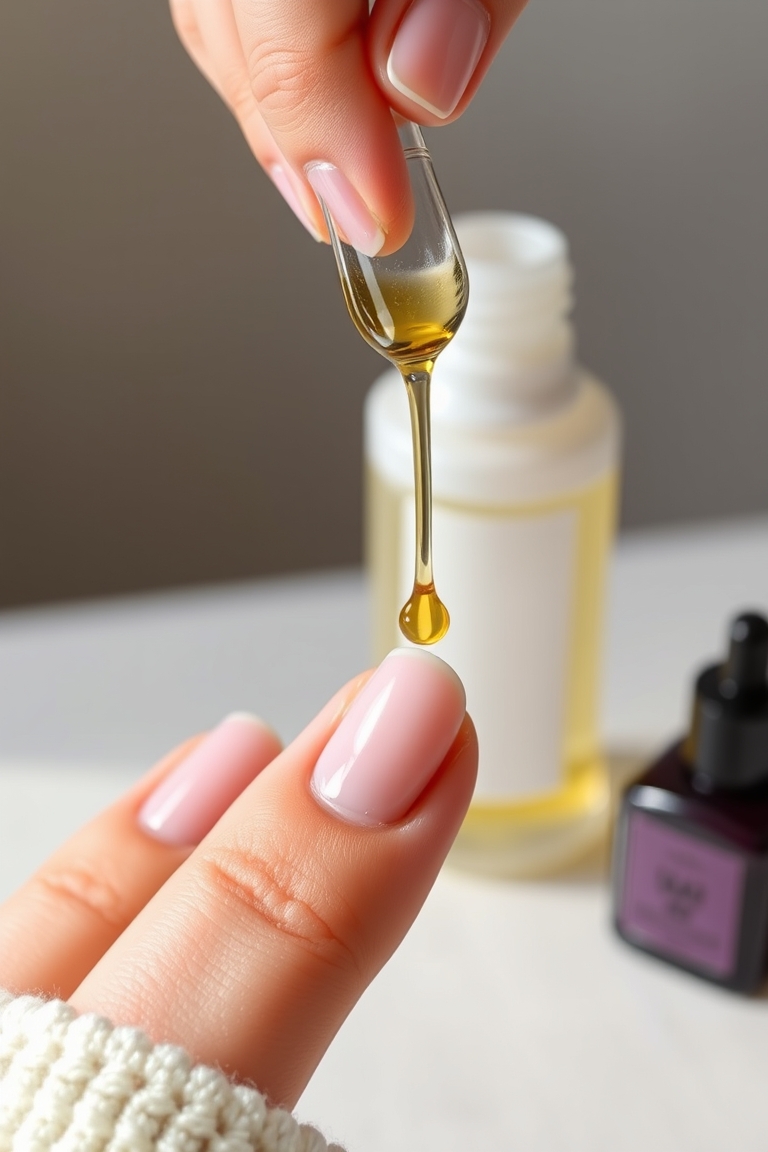
- Apply a thin layer of natural oil (e.g., coconut or almond) to the nail bed and cuticle each night.
- Keep the hands and nails dry after washing; pat them gently with a towel.
- Use a gentle, non‑acrylic hand cream that hydrates without leaving a heavy film.
Gentle manicure practices
- Trim nails straight across, not in a curve, to avoid lifting the edge.
- Use a soft nail file in one direction; avoid back‑and‑forth filing.
- Let the nails rest between polish applications; give them a break from heavy colors.
Protective measures at home and work
- Wear gloves when handling detergents, cleaning products, or hot water.
- Keep nails trimmed short if you frequently use your hands for manual tasks.
- Keep a small bottle of nail oil handy to apply after washing dishes or cleaning.
Nails breaking fix: quick solutions
When a nail has already snapped or split, there are simple steps you can take right away to prevent further damage.
DIY treatments
- Soak the affected nail in warm, soapy water for 5 minutes to soften it.
- Apply a small amount of natural oil or a DIY cuticle cream to the area.
- Use a soft nail buffer to smooth rough edges, being careful not to over‑file.
When to see a professional
If you notice persistent discoloration, pain, or a nail that won’t grow back, it may be time to consult a dermatologist or a nail specialist. A professional can assess underlying conditions that may be contributing to the fragility.
Fragile nails: long‑term care
Maintaining healthy nails over the long haul involves a balanced approach to diet, hydration, and self‑care. Below are strategies that support nail strength from the inside out.
Nutrition and supplements
- Incorporate protein‑rich foods such as beans, lentils, and eggs.
- Include leafy greens for iron and vitamin C, which aids collagen formation.
- Consider a daily multivitamin that contains biotin, zinc, and calcium if your diet lacks these nutrients.
Lifestyle adjustments
- Limit exposure to harsh chemicals by using gloves.
- Stay hydrated; aim for 2–3 liters of water per day.
- Practice stress‑reduction techniques—yoga, meditation, or a short walk—to improve overall circulation.
Frequently Asked Questions
- Why do my nails break easily?
- Breakage often stems from a combination of genetics, environmental exposure, and lifestyle habits that compromise the nail’s protective layers. For instance, frequent exposure to water without proper protection, or a diet low in protein and essential minerals, can thin the nail plate and make it more prone to cracking.
- What are the most common brittle nails causes?
- Common causes include nutrient deficiencies (especially biotin and zinc), frequent hand washing, exposure to harsh chemicals, and hormonal shifts. Additionally, using acetone‑based nail polish removers or over‑filing can strip the nail of natural oils and keratin.
- How can I prevent nail breakage?
- Maintain a moisturizing routine, use gentle filing techniques, protect nails with gloves during chores, and give nails breaks between polish applications. Also, keep your nails trimmed short and avoid biting or picking, which can introduce micro‑injuries that weaken the nail plate.
- What quick fixes can stop nails from snapping?
- Soak the nail in warm water to soften it, apply a natural oil or cuticle cream, and gently buffer rough edges. If the nail is severely damaged or shows signs of infection, seek professional care to prevent complications.
- Can diet affect nail health?
- Yes. Adequate protein, vitamins, and minerals support keratin production and overall nail strength. A balanced diet rich in biotin, zinc, iron, vitamin D, and calcium can help prevent brittleness and promote healthy nail growth.
For more in‑depth guidance, check out our simple guide on nail care.
Leave a Reply